Why Drop-Trailer Programs Improve Shipping Efficiency in Retail Logistics
Blog Post CTA
The live load bottleneck is a real challenge when managing inbound freight, especially when detention charges start to add up, and the entire dock schedule goes haywire. Drop-trailer programs fix this by completely changing the order.
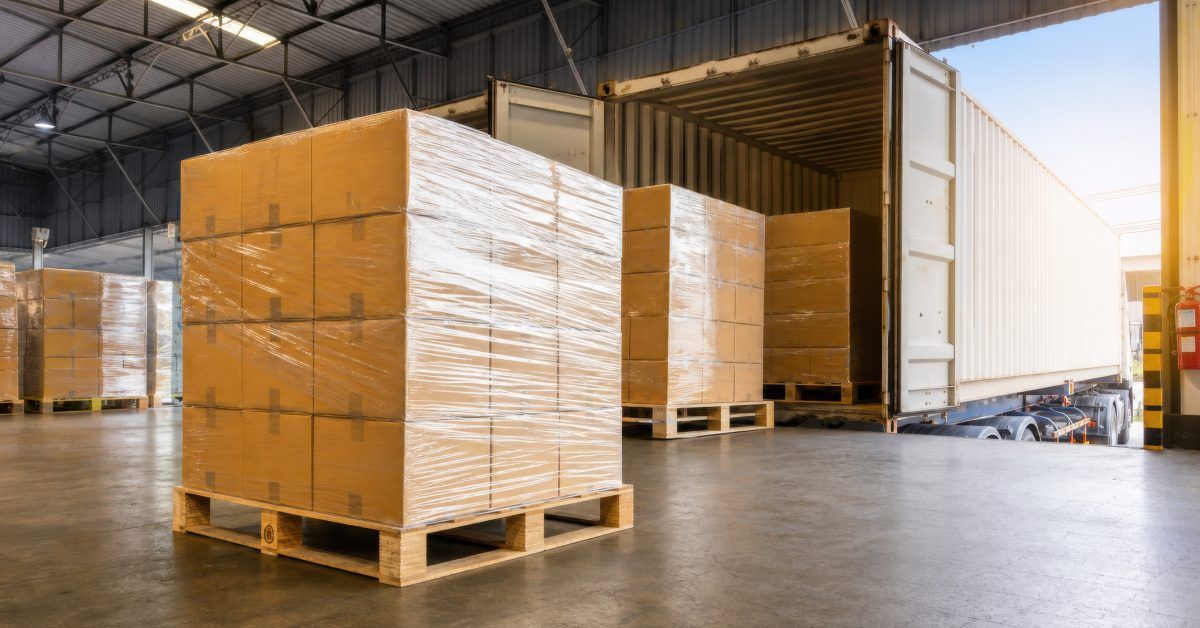
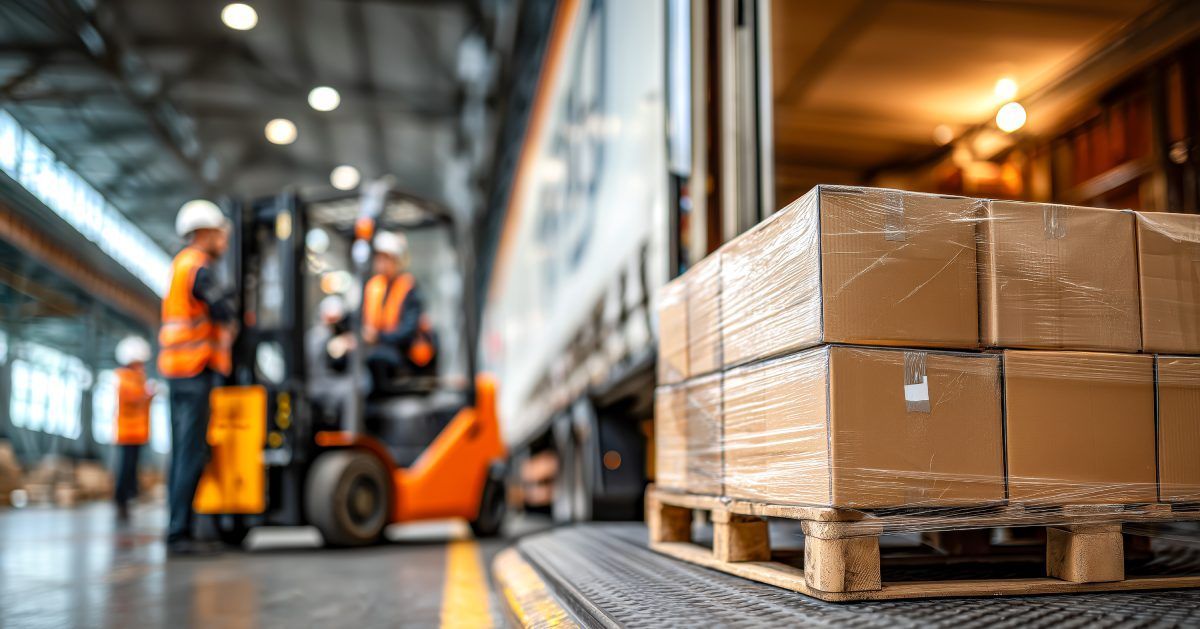
Instead of a driver waiting at the dock during loading, the carrier drops an empty trailer at your facility and drives off. When it is ready, the carrier dispatches a driver to pick up the full trailer and drop off another empty one, eliminating the long wait times. The drop-trailer program is a simple idea, but when you’re dealing with high
volumes in retail logistics, the efficiency benefits flow throughout the entire operation.
The Dock Efficiency Gains of Drop-Trailer Programs
Here’s what happens when you remove the driver from the loading equation:
1. Dock Doors Open Up
Live loading can hold up a door for hours. With drop trailers, your team can load at their own pace and clear the door faster without the pressure of a waiting driver requiring coordination.
2. Warehouse Teams Set Their Own Rhythm
Your crew can match loading to shift schedules, staff availability, and order priority, rather than rushing to meet a driver’s clock. That flexibility is critical when you’re dealing with dozens of inbound and outbound loads a day.
3. Cascading Delays Shrink
One slow live load can block up every truck behind it, which also impacts the supply chain. With drop programs, you break that chain as each trailer is independent of driver availability.
4. Detention Charges Largely Disappear
The American Transportation Research Institute says that truck driver detention time in for-hire trucking alone totaled more than 135.9 million hours in 2023. Average detention fees are about $50 per extra hour, and those costs add up fast in a high-volume retail operation. Drop trailers don’t have this problem at all.
5. Peak-Season Pressure Eases
Holiday surges, back-to-school pushes, and promotional waves all generate spikes in dock traffic. Drop-trailer programs soak up the load and avoid the chaos of live-load scheduling.
Driver and Carrier Benefits
With drop-trailer programs, carriers and drivers benefit in ways that are easy to overlook:
1. Drivers Stay Moving
The drop, hook, and go model means a driver spends minutes at your facility instead of hours, which translates to more miles covered and more loads delivered per week.
2. Limited Capacity Stretches Further
ATRI estimates that the average driver loses between $11,000 and $19,000 a year in lost earnings because of detention. Drop programs recoup a good deal of the lost productivity, allowing carriers to get more out of their existing fleet.
3. Drivers Satisfaction Improves
According to the American Trucking Association, excessive detention time is one of the top reasons that carriers refuse future business. It’s good for drivers, who tend to stay longer when they’re not waiting around so much — an important consideration in an industry that’s been trying to solve its retention problem for years.
4. Carrier Relationship Improves
Preferred accounts are shippers who cut down wait time. This preference means better access to capacity when the market gets tight.
Why Drop-Trailer Programs Fit Retail Logistics Well
Not all supply chains are good candidates for drop-trailer programs, but retail operations tend to check most of the boxes:
1. High-Volume, Recurring Shipments
For drop-trailer programs to work well, they need a predictable flow of freight, which is exactly what you get from retailers that consistently ship the same loads to distribution centers, week after week.
2. Yard Space Availability
Most retail DCs have ample yard space to stage multiple trailers without disrupting other operations. This can be a challenge for smaller facilities with tight lots, but large-format retail logistics operations usually have no shortage of space.
3. Seasonal Volume Swings
Demand spikes drive retail. Drop programs allow DCs to pre-position trailers and load in advance of peak windows, rather than scrambling to process every truck live during the busiest weeks of the year.
4. Tighter Delivery Windows
Retailers want increasingly shorter appointment times. With a preloaded, ready trailer, the carrier can schedule pickup to meet a specific delivery window with much greater reliability than in a live load situation.
Making It Work With Entourage Freight Solutions
As delivery windows tighten and capacity remains competitive, drop-trailer programs are moving from “nice to have” to standard operating procedure in retail supply chains.
Entourage Freight Solutions’ drop-trailer capabilities can help you evaluate whether the program makes sense for your operation and manage the trailer pool, so you don’t have to add that complexity to your team’s plate. Getting ahead of that curve is probably worth the conversation.
Contact us to get started.