Squeezing Freight Capacity as Amazon Reshapes the Supply Chain Market
Blog Post CTA
Prices are rising faster than wages, consumers are feeling the pinch of inflation again, and tensions in the Middle East are pushing up fuel costs. Yet import demand into the United States remains strong, with major ports still seeing strong cargo volumes despite tariff uncertainty and higher transportation costs. And then there is Amazon’s decision to open up its logistics network to external businesses. That move could change the competitive landscape in parcel delivery, warehousing, and freight distribution.
This edition of our newsletter examines tightening trucking conditions, strong cargo activity at the Port of Los Angeles, and sweeping layoffs related to restructuring in the beverage distribution sector.
Consumer Spending Faces Growing Pressure
The 3.8% inflation rate in April was the first time in three years that prices outstripped wage growth. Energy costs led the way, with gasoline prices up more than 11% compared to a year earlier, along with higher grocery, rent, electricity, and medical costs.
According to Heather Long, chief economist at Navy Federal Credit Union, middle-income households are being squeezed more, after lower-income consumers had been squeezed for months. Fuel costs have gobbled up much of the extra cash, and tax refunds that temporarily buoyed spending are also disappearing.
The concern now is that less spending on discretionary items may blunt consumer-driven freight demand later this year, particularly if fuel prices continue to rise due to the Iran conflict.
Amazon Expands Into Third-Party Logistics
Through its Amazon Supply Chain Services, Amazon has now opened its logistics network to external businesses, giving manufacturers, retailers, and healthcare companies access to its freight, warehousing, fulfillment, and delivery network.
The move shook the market immediately.
Shares of UPS and FedEx dropped by more than 9% each after the announcement. Amazon already operates over 100 cargo aircraft and has a huge network of fulfillment and sorting centers.
Some of the clients already on the platform include Procter & Gamble, 3M, and American Eagle Outfitters. Analysts say Amazon is targeting the higher-margin business-to-business shipping market, where freight flows are more predictable and operating costs are lower than for residential deliveries.
Supreme Court Ruling Raises Liability Risks for Freight Brokers
In a unanimous decision, the United States Supreme Court in Montgomery v. Caribe Transport II ruled that federal law provides no immunity for brokers from claims of negligent hiring of unsafe carriers.
The court ruled that, even when brokers do not physically control trucks, carrier selection decisions can directly affect motor vehicle safety. The Transportation Intermediaries Association said the ruling undermines the long-standing framework in which federal regulators, not state courts, oversee motor carrier safety standards.
Legal analysts expect the ruling to raise the bar on carrier vetting and documentation. For brokers and third-party logistics providers, it could mean more scrutiny of carriers, particularly those with conditional safety ratings, bad crash histories, or repeated compliance issues.
Port of Los Angeles Handles Strong Import Volumes
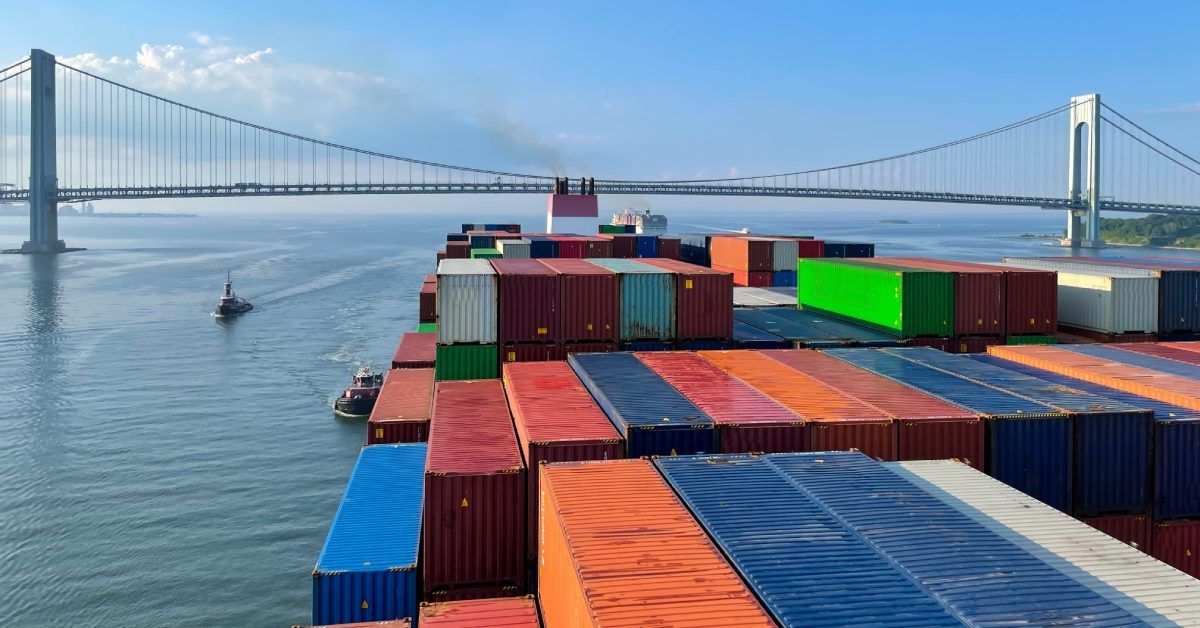
The Port of Los Angeles moved 890,861 TEUs in April, a 5.7% year-over-year increase, for the port’s second-best April in history.
Executive Director Gene Seroka said retailers and manufacturers continued to push goods through despite tariff uncertainty, and the port is already seeing another wave of imports building in Asia tied to back-to-school and holiday merchandise.
Loaded imports increased 5% year over year, and empty container repositioning increased 10% as ocean carriers prepare for stronger trans-Pacific demand. Seroka cautioned that diesel prices, currently about 50% higher than they were at the start of the year, could soon force trucking companies to raise their transportation rates.
RNDC Restructuring Leads to Major Layoffs
Republic National Distributing Co. is gearing up for widespread layoffs and facility closures as it reshapes operations and sells key assets to Reyes Beverage Group. WARN filings indicate the changes could impact as many as 4,677 workers in states including Texas, Florida, Virginia, and South Carolina. About 1,900 planned job cuts are in Texas alone.
The deal greatly shrinks RNDC’s distribution footprint and boosts Reyes’ wine and spirits logistics presence. It’s also indicative of broader pressure on warehousing and distribution networks, where companies are evaluating costs, market coverage, and profitability amid rising transportation costs.
Seamless Shipping With Entourage Freight Solutions
Entourage Freight Solutions believes in total transparency in the shipping process. That is why we invest in tech solutions that track every shipment extensively, monitor every driver, and extract every bit of efficiency without sacrificing quality. Our state-of-the-art platform uses cloud-based GPS tracking to keep you informed, reroutes shipments on the fly to avoid delays, and responds to real-time market changes to ensure your shipment arrives on time.
Request a quote.