How LTL Consolidation Reduces Freight Spend for Retailers
Blog Post CTA
Retailers often assume the cost of LTL freight is just part of doing business. But that is because most retail supply chains operate like this: scattered shipments, too many carriers, and zero coordination between loads. That is just wrong. LTL consolidation is one of the least used ways to save money in retail logistics. For one midsize retailer we worked with at Entourage Freight Logistics, getting this right meant saving more than 20% on shipping costs in six months.
This article walks through how EFS leveraged LTL consolidation to reduce freight costs, including what happened step by step and what other shippers can learn from it.
Why Retailers Overspend on LTL Freight
When shipments are fragmented, freight costs will increase. If you look into it, though, you would realize there is a pattern in retail supply chains where dozens of small LTL shipments go out every week, often to the same areas, without much thought given to whether those loads could travel together.
For example, a retailer that ships partial pallets from five different suppliers to 40 stores might have to send out 60 or more LTL shipments a week. If each shipment is billed separately, passes through multiple carriers, or racks up accessorial charges, costs can become a big problem.
A Retailer Struggling with Fragmented LTL Shipments
A midsize retail chain with more than 40 locations shipped a mix of dry goods and temperature-sensitive items from many different suppliers. The retailer’s freight business had grown on its own over the years, which is a nice way of saying that no one had really planned it.
The retailer was sending out more than 50 LTL shipments every week, but carrier selection was inconsistent. So, as a result, some loads were leaving half-empty, there was no consolidation strategy, and
logistics costs had been rising every quarter. However, the turning point came when the logistics team hired EFS to assess the retailer’s operation and identify waste. What we found wasn’t surprising, but the scale was unbelievable.
How LTL Consolidation Was Implemented
LTL freight consolidation happens when you stack a lot of changes on top of each other. Here is what we did:
1. Analysis of Shipment Patterns
The first step was to create a map of all shipments in the last 90 days. We looked at the starting points, the ending points, the shipment weights, and the timing. This gave us an idea about what was going on. A lot of the retailer’s loads were going to the same few areas, usually within a few days of each other, on different trucks.
2. Carrier Optimization
The store had been using more than a dozen LTL carriers without any volume leverage. We narrowed the carrier pool and negotiated better rates based on the business we expected to do, garnering better prices with fewer relationships.
3. Cross-Docking for Consolidation
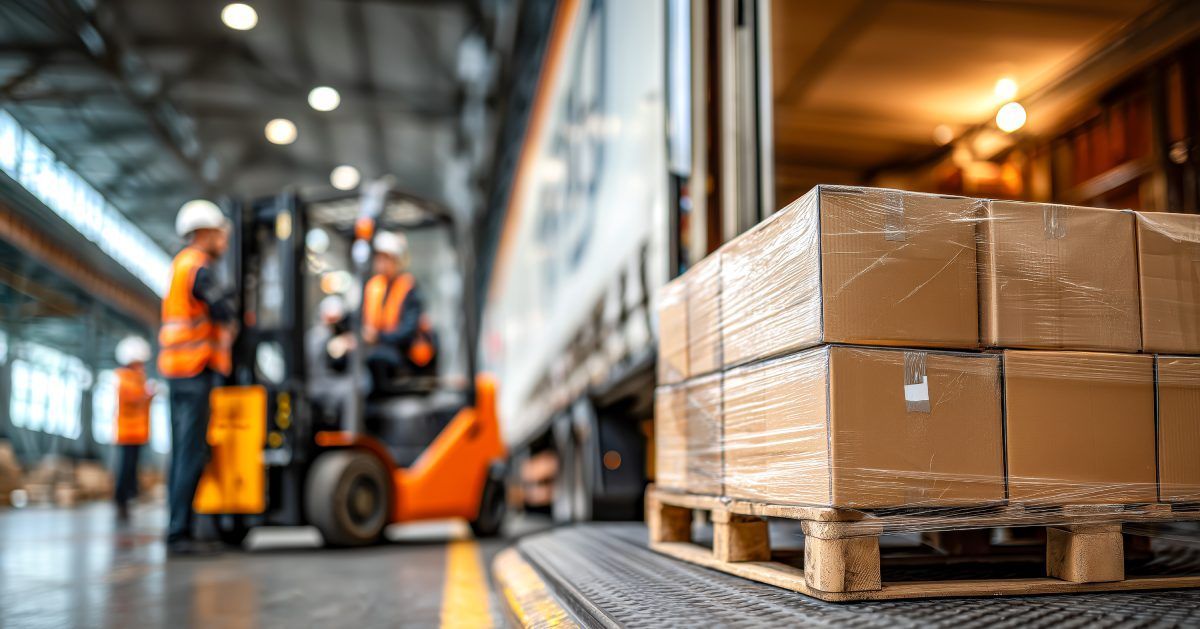
Leveraging our cross-docking facilities at EFS, we combined shipments from several suppliers before sending them to their final destinations. This allowed us to reduce the number of unnecessary freight moves. For instance, we would make one or two full loads instead of four half-full trailers going to the Southeast.
4. Coordinated Scheduling
We made sure that all suppliers and store locations had the same pickup and delivery times. That way, loads could be grouped more effectively, and transit times improved because shipments didn’t have to wait at carrier terminals for the next available truck.
The Results: Measurable Freight Cost Reduction
The retailer’s overall LTL freight costs decreased by 22% over six months. Meanwhile, the number of individual shipments each week fell by about 35%, from more than 50 to about 33. Delivery times got better because there were fewer touchpoints for loads to go through. And the retailer’s internal logistics team had to spend less time dealing with carriers and chasing down invoices.
Those results are in line with what industry data indicate is possible. One logistics company said that efforts to consolidate freight saved 12.4% on shipping costs and sped up shipments by an average of 1.2 days. In another case with a consumer brand, consolidation cut transportation costs by 20% in the first six months, saving roughly $100,000.
There were also other benefits. For example, there were fewer handoffs between shipments, which meant fewer damages. Less wasted trailer space meant a smaller carbon footprint for each unit shipped. And because there were fewer bills to pay, the costs of running the back office also went down.
EFS is the Freight Partner of Choice for Retailers
With EFS, you don’t have to change your whole freight network to get results. Even without a full-scale consolidation program, grouping shipments by region or day of the week can lead to big savings. Reducing the cost of your LTL shipments depends on well-thought-out strategies, and at EFS, we can help with that.
Contact us today to get started.