Leveraging Cross-Docking for Faster Automotive Parts Distribution
Blog Post CTA
If your automotive parts have to sit for days before they move, your network pays twice — once in storage and again in late deliveries. More often than not, the latter is much more expensive. To get away from that, Entourage Freight Solutions sets up a system in which the dock serves as the transfer point rather than a parking lot for inventory. With us, you can reduce lead times and storage costs in automotive parts distribution, and in this article, we will show you how.
Operational Gains That Matter to EFS in Automotive Parts Distribution
Cross-docking pays off when the gains show up on the road and at the bay door. Here is how:
1. Faster Parts Fulfillment
Parts fulfillment depends on route reliability. When outbound loads leave on a set cadence, dealers can plan labor and meet pickup commitments and customer promises. That way, there is more trust.
2. Better Plant Replenishment
Automotive plants need parts at the right time and in the right order. For example, a plant can have thousands of parts on site and still shut down because one small item did not arrive when it was supposed to. Effective cross-docking helps by keeping parts moving toward the plant rather than sitting in storage and causing unnecessary delays.
3. Lower Spend on Expediting Services
Expediting is a symptom of slow or broken flow. When planners realize a shipment will miss the plant window, they reach for hot shots, team drivers, or air freight to recover the miss. However, cross-docking cuts expediting by eliminating the delays that cause panic.
A Case Style Walk-Through of a Successful Cross-Dock Setup
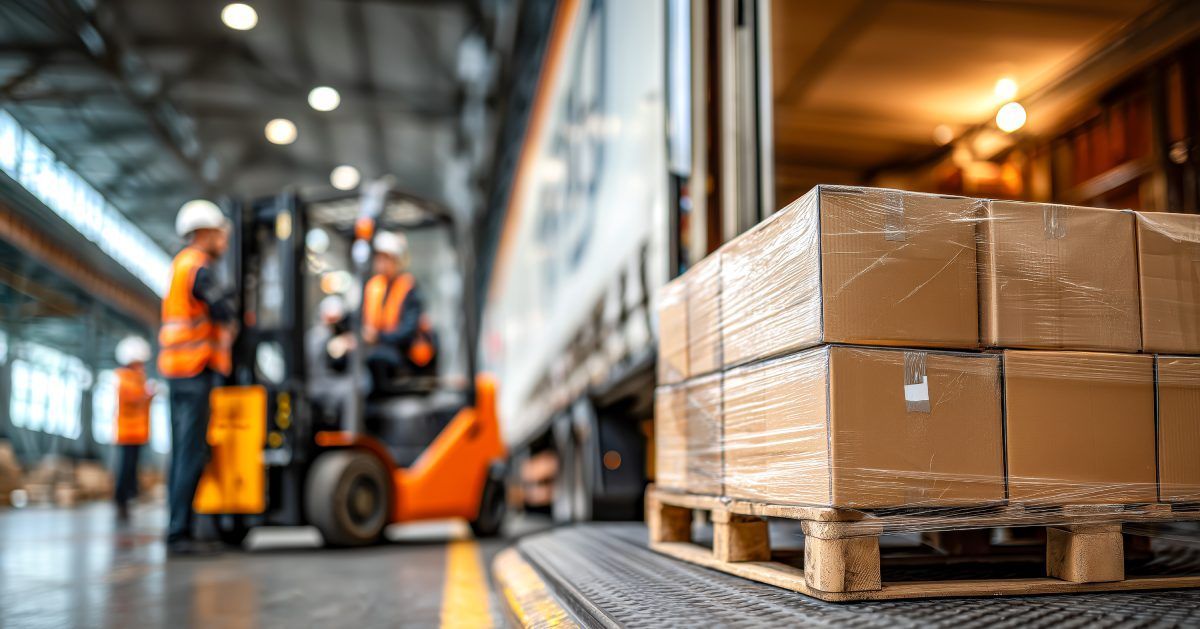
Inbound Logistics defines cross-docking as the transfer of cargo directly from the inbound transportation mode to the outbound one within a terminal designed for fast flow and minimal storage.
Cross-docking works in
automotive parts distribution when inbound freight gets sorted and pushed out fast, with little or no storage between doors. That sounds simple, but the difference shows up when the dock runs like a control tower, with tight inbound appointments, clear sort rules, and outbound departures that leave on schedule, then you gain control.
In this case, the cross-dock setup was a disaster:
- Parts arriving in mixed loads were stored first, often getting stuck in staging lanes.
- There was a lot of handling because teams touched the same items while receiving, moving, picking, repacking, moving again, and then shipping.
- Dealer orders were being shipped in partial loads because a full route could not be assembled on time. That meant costs rose with each extra mile.
This dock setup becomes much more expensive for the
automotive supply chain when there are more SKUs and/or demand spikes, whether during a campaign, a weather event, or a recall. There is also the problem of delays, which are expensive in their own way. After setting up the cross-dock flow, the entire process changed:
- Inbound appointments were scheduled within fixed windows, and workers began assembling outbound truckloads immediately instead of putting parts into storage and waiting.
- Parts were sorted by destination and routed at the dock.
- Outbound departures ran on a cadence, so dealers and plants saw fewer late arrivals and fewer emergency runs, which improved predictability.
The key change was moving parts through the building with purpose. That way, the shipper could maintain momentum and avoid paying rent while waiting.
How EFS Cross-Docking Delivered the Results
EFS’ cross-docking service delivers value by eliminating waste that builds up in storage and through repeated handling. Two things matter most: fewer touches and faster departures.
Here is how our cross-docking makes your parts distribution better:
1. Immediate Inbound Consolidation and Outbound Buildup
The fastest cross-docks treat inbound as raw material for outbound loads, setting them up to leave as quickly as possible. EFS cross-docking combines inbound lines into fuller outbound loads bound for the same region. This cuts partial shipments and protects capacity.
2. Warehouse Bypass that Lowers Storage Cost
Storage costs grow when parts sit idle while planners wait for the “right time” to pick and ship. But in parts distribution, the cost is not only rent. It is the labor spent moving pallets into racks, pulling them back out, counting them, and explaining shortages caused by slow internal movement. By bypassing storage altogether, we eliminate that cost.
3. Fewer Handling to Ensure Fewer Errors
Every touch creates risk, including damage, mislabeling, misrouting, and incorrect quantities. EFS’ cross-docking limits touch and reduces errors by sorting and loading once, with scan checks at the lane and door to keep destination logic clean.
The good news is that we can do the same for you.
Contact EFS today to get started.