Keep Manufacturing Lines Efficient With Expedited Shipping
Blog Post CTA
In manufacturing, one missing part can shut down an entire production line. And in many ways, it can feel like a power outage, only this time, the fault is internal. Think about it: staff are present, the lights are on, but the conveyors are idle, and everyone is watching the clock as if it were a bomb. That is what happens when freight does not move fast enough. But that can be fixed by enabling expedited shipping through effective logistics collaboration. This way, you keep production moving, even when a single missing part can bring an entire line to a halt.
In this article, we explore how expedited freight prevents shutdowns through realistic plant floor cases, plus what to set up before the next scramble hits your dock.
Logistics Collaboration Is What Makes Expedited Shipping Work
A production line shut down after a small bin ran low because a Tier 1 supplier had wiring harness components stuck behind a missed outbound pickup. Supervisors observed the buffer draining and knew the line would grind to a halt unless something changed. EFS was engaged when the plant had approximately four hours of material remaining on the line.
The timing was crucial because more often than not, the hardest minutes are those spent searching for capacity. To address the issue, EFS set up a dedicated pickup with a direct route to the plant and kept the plant updated as milestones were cleared. The shipment was moved via expedited freight services. Fortunately, the production plant received the
parts before the buffer hit zero, and the cost stayed below catastrophe.
Expedited shipping fails when treated as a last-minute purchase, but works when treated as a preplanned recovery move. Logistics collaboration means your production plant, your suppliers, and your logistics partner agree on the rules before a crisis. That agreement covers who calls whom, what gets approved fast, which lanes are “break glass,” and what data must be shared at the first alert.
What ‘Expedited’ Really Means Inside a Plant
A motor in a regional plant failed, and the line went quiet. Maintenance had the crew and tools ready, but the required part was in another state. So it came down to a choice between idling the line until standard freight arrived or paying for speed that would save the shift. What was clear, though, was that the longer the wait, the greater the impact of the outage.
EFS was brought in when maintenance confirmed the part number and the plant authorized a time-critical recovery. That early call was the difference between a clean save and a messy scramble. EFS moved the part on a dedicated run with continuous status updates to the plant team. The part arrived the same night, the repair finished before morning, and the plant restarted the next shift on time.
At its core, expedited freight is about speed in decisions, handoffs, and execution.
Why Most Expedited Shipping Breaks Under Stress
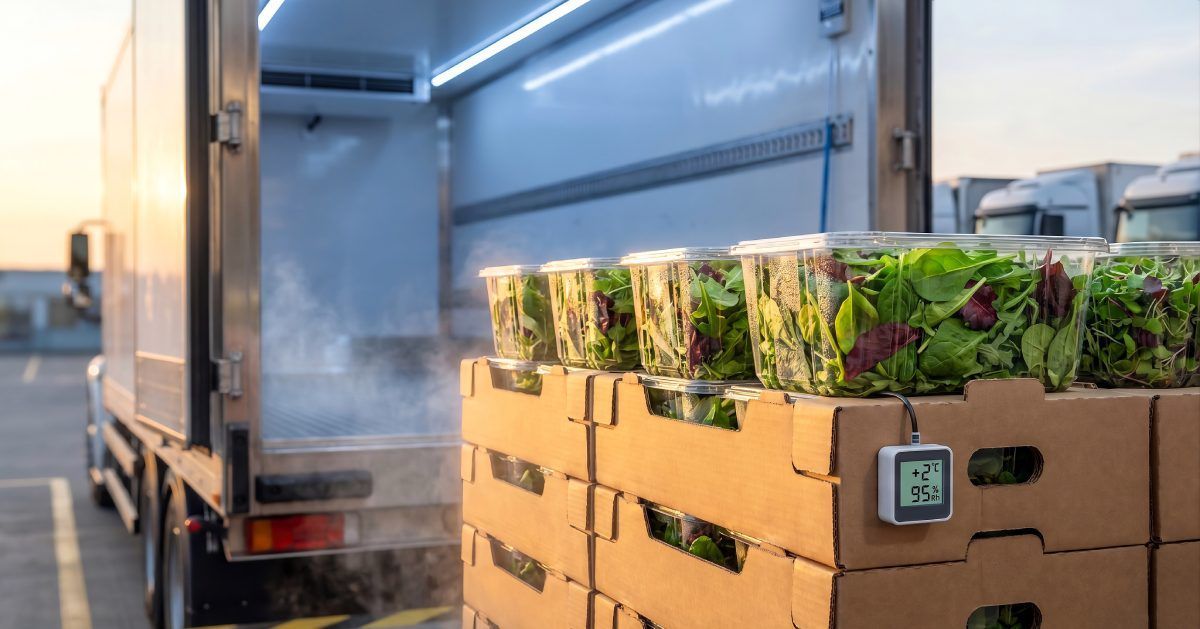
A food manufacturer was running low on packaging film to wrap finished goods for shipment. The company had made orders on time, but a weather delay pushed a supplier shipment off schedule. The plant had ingredients, labor, and demand, yet it could not ship without film.
EFS stepped in when the plant’s materials lead flagged the risk of a full stop that day. The goal was not only arrival speed but also clean handling and a fast handoff.
Before EFS was brought on board, same-day delivery was not possible. The company arranged everything from the supplier’s warehouse and coordinated closely to prevent dock waiting. When inventory was split between two supplier locations, EFS also coordinated a rapid consolidation to prevent the plant from handling multiple late arrivals. The film arrived in time for packaging to resume the next morning. Fortunately, the plant was able to protect customer commitments and protect shelf life.
Generally, there are two key patterns that show up in plants that struggle:
- No clear trigger for when to switch to emergency freight
- No approved playbook for who signs, books, or receives
How EFS Helps Manufacturers Build Expedited Shipping That Holds
Expedited shipping is easier when a single partner owns the entire move. That way, we can reduce the “who has it now?” confusion during handoffs.
Entourage Freight Solutions supports manufacturers with:
- 24/7 response for emergency freight services
- Mode selection that fits the urgency, from hot shot trucking to FTL expedited transport
- Cross-dock coordination when freight must change hands fast
- A single communication thread that keeps suppliers, carriers, and plants aligned
That structure turns panic into execution, then turns execution into habit.
Contact EFS today to get started.