A Manufacturer’s Guide to Building a Cost-Efficient Freight Strategy
Blog Post CTA
Imagine your logistics network as a freeway system. If you remove bottlenecks and switch to efficient vehicles, you don’t just move goods faster, you also burn less fuel and leave a smaller carbon footprint. However, in the real world, three forces converge on freight operations: rising costs, tightening environmental standards, and customer demand for more efficient logistics.
This article demonstrates how adopting sustainable freight practices can be a path to achieving a win-win outcome, which entails both cost control and reduced environmental impact.
Key Strategies for Sustainable Freight
Sustainable freight is more than just a box to check; it is a business lever. And although many manufacturers and retailers believe that green logistics means higher costs, in reality, smart freight planning can ensure both reduced logistics costs and environmental value.
Here is how to achieve that:
1. Optimize Freight Consolidation and Routing
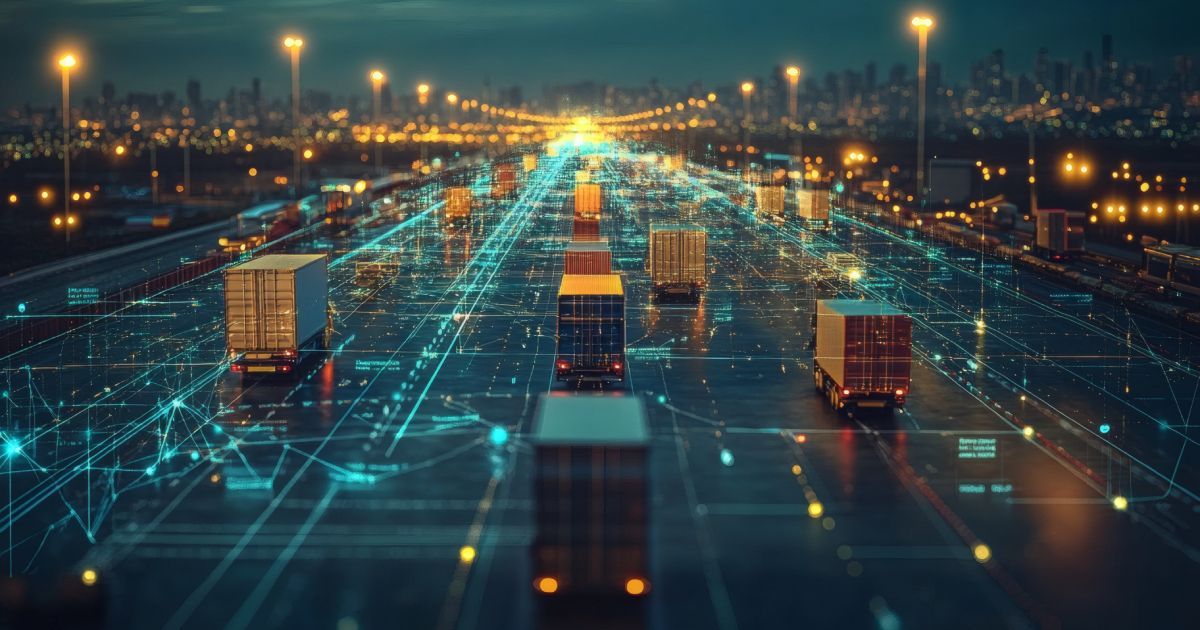
Chances are that your trucks and pallets are often traveling half empty. However, when freight optimization and sustainability are aligned, you can ensure fewer empty miles, which translates to less fuel, lower emissions, and a stronger ROI. To optimize freight, do the following:
- Integrate smart route planning tools and data analytics into the process to minimize distance and idle time.
- Balance full truckload (FTL) and less-than-truckload (LTL) shipments so that your shipments are fuller while still staying on schedule.
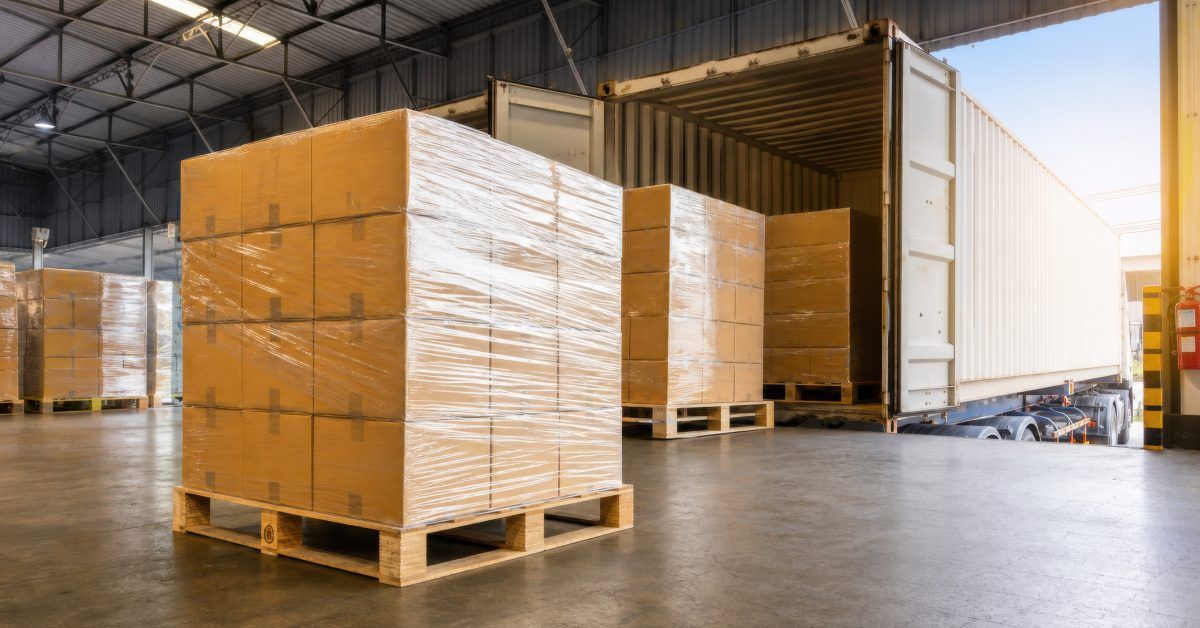
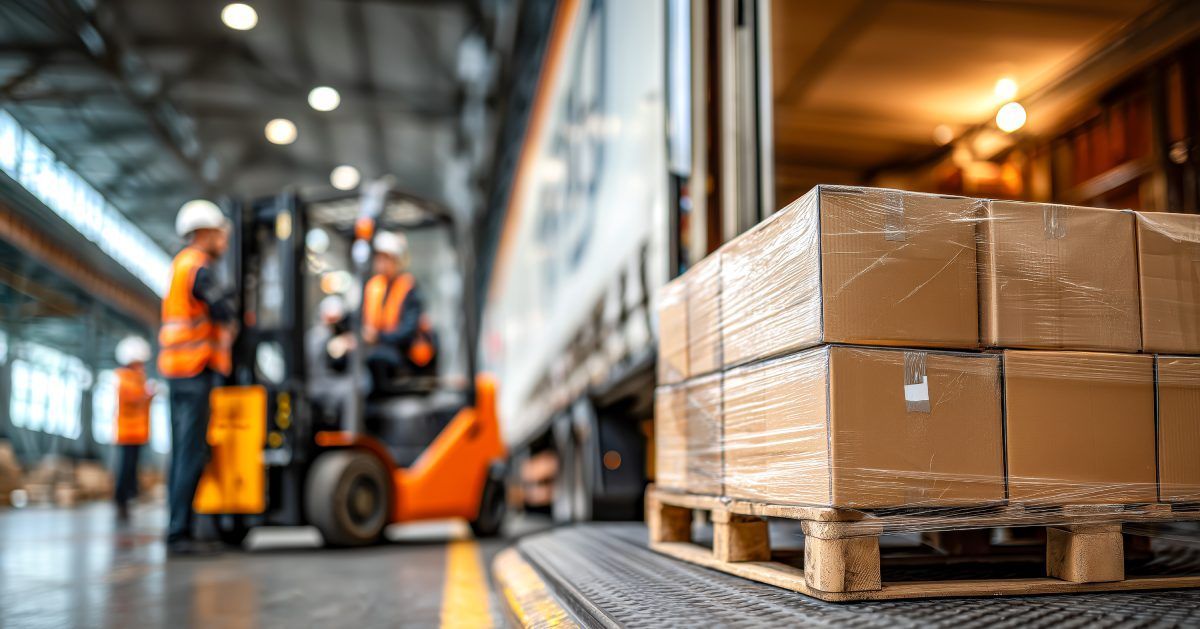
- Leverage cross-docking to transport products through intermediate hubs because it eliminates the need for warehousing and reshipping, which in turn reduces waste and unlocks eco-friendly transportation options.
2. Use Energy-Efficient Equipment and Technologies
Leveraging tech solutions like telematics can significantly reduce idle time, fuel costs, and vehicle breakdowns, which is why, contrary to popular belief, you can invest in green logistics upgrades without significant cost outlay. However, to do that, you must invest where the payback is faster.
For example, replace older trucks or reefer units with low‑emission or hybrid models. This way, you can reduce fuel consumption and support the transition toward a carbon-neutral supply chain. Leveraging fuel-efficient
trucking practices, which include rightsized loads, efficient speed profiles, and regular maintenance, is another good example. Your total cost goes down and your green credentials improve.
3. Explore Modal Shifts Where Possible
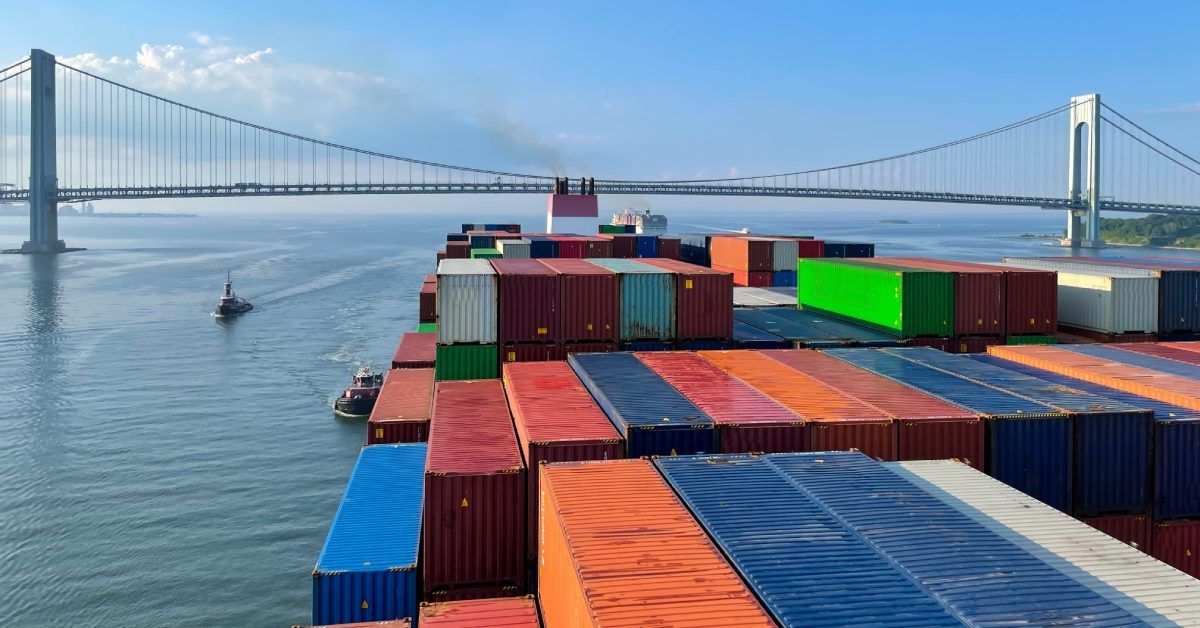
Sometimes, the biggest savings and environmental benefits can be achieved by leveraging different freight modes, as intermodal freight choices can reduce costs and carbon emissions when implemented correctly. For instance, rail emits far less carbon footprint per mile than trucking or any other form of road transport. And it is also more cost-effective. So, when moving shipments over long distances, shifting part of it to rail or sea can make a significant difference.
Combining road, rail, and sea transportation also helps to reduce reliance on any single mode of transportation. That way, if there is any disruption, your shipment remains protected. Logistics planners increasingly view this as a purposeful trade‑off, not a compromise.
4. Partner With Sustainable 3PL Providers
Your logistics partner can carry the sustainability burden so you don’t have to reinvent everything. However, when picking a 3PL partner, note the following because it will play a vital role:
- Select a provider with experience in FTL, LTL, reefers, and cross-docking. That will help to rationalize your network while boosting load utilization.
- Sustainability in logistics builds your brand credibility, so make sure the partner has proven green transport credentials (e.g., a low-emission fleet, a sustainability road map).
- Make sure the 3PL leverages technology and can integrate key tech with your team. This is important because when the 3PL handles route design, mode mix decisions, and load planning, you gain access to their systems and benefit from sustainable manufacturing logistics without incurring the heavy investment required for in-house solutions.
A 3PL partner like
Entourage Freight Logistics offers both environmentally friendly and efficient logistics solutions.
The Path Forward for Retailers and Manufacturers
It all comes down to your perspective. When you view sustainable freight as a lever for cost, efficiency, and brand value, everything changes. That means you don’t have to choose between green and profitable. With the right strategies, you can secure both, and your logistics operation transforms from a cost burden into a strategic advantage built on efficiency and responsibility.
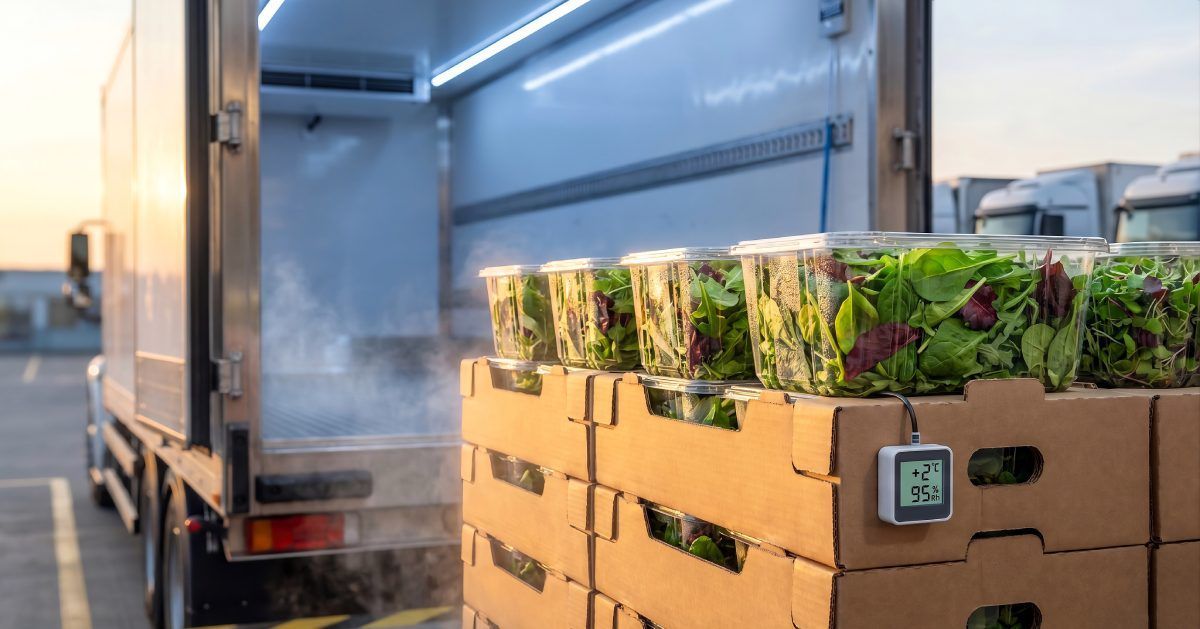
Entourage Freight Solutions leverages its deep expertise in logistics to deliver high service levels and meticulous attention to detail for all your freight operations. Every load, whether shelf-stable or perishable, receives the same precision handling.
Connect with us today.