How Cross-Docking Speeds Up Retail and Manufacturing Logistics
Blog Post CTA
According to supply chain cost modeling data, inventory carrying costs typically range from 15% to 30% of the total inventory value annually. That involves capital tied up in unsold goods, insurance, risk of damage, and the labor to manage it all. Cross-docking reduces those costs by treating the distribution center as a transfer point. Although cross-docking is not a new phenomenon, retailers and manufacturers have dramatically changed its application.
The following is a straightforward guide to cross-docking, showing its practical use in speeding logistics processes for retail and manufacturing.
What Cross-Docking Actually Looks Like in Practice
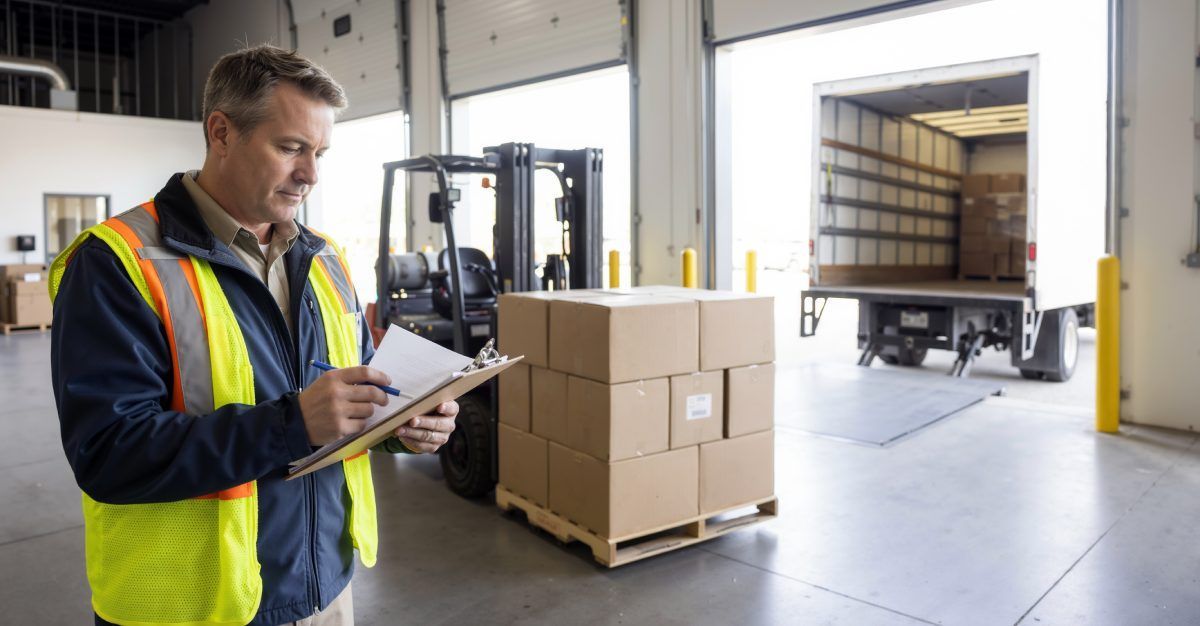
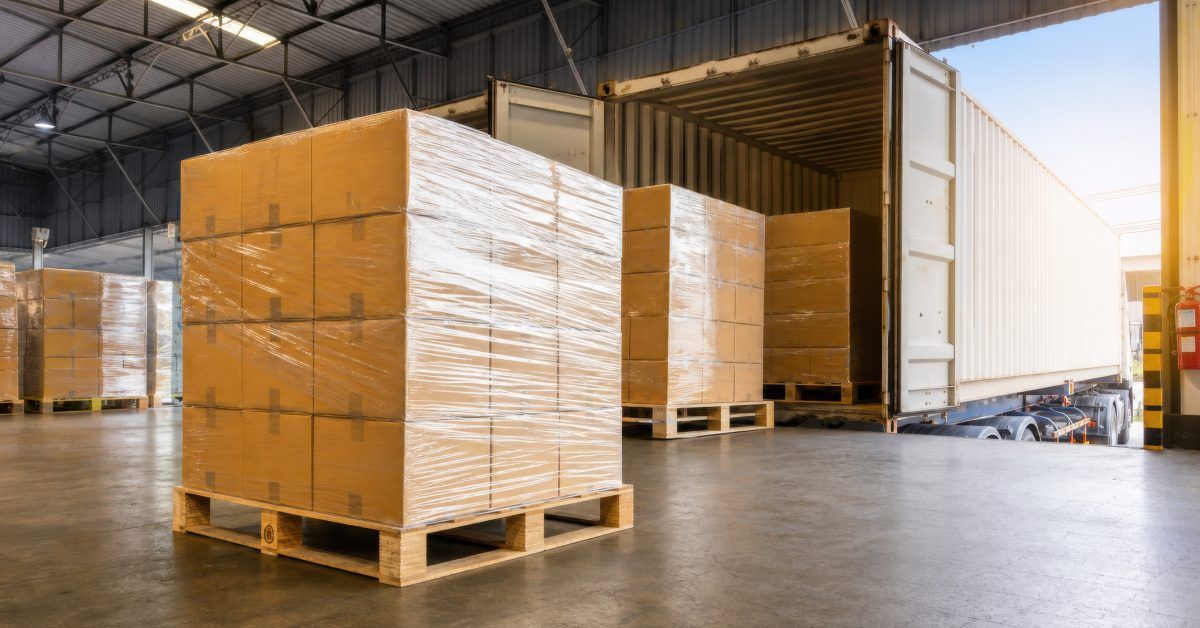
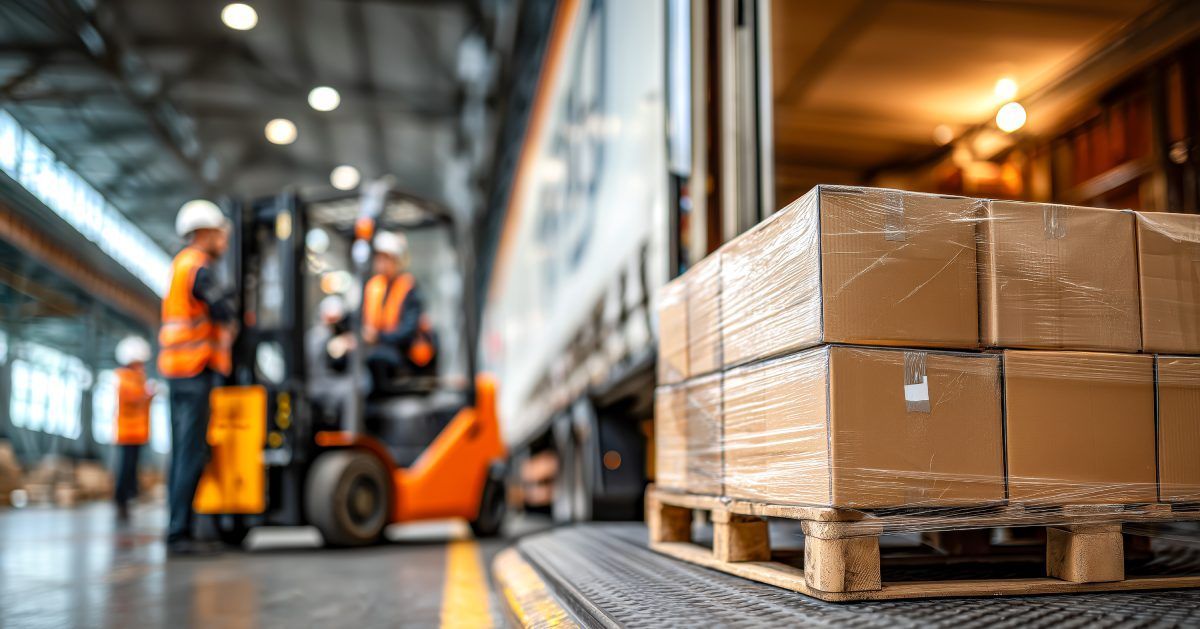
The basics of cross-docking are simple. An inbound truck arrives at the facility. Workers unload the freight, scan it, sort it by destination, and move it across the dock floor to outbound trucks waiting on the other side. In a well-run operation, priority freight may be in the building for mere minutes.
Compare that to the flow in a traditional warehouse, where the goods are received, put away, stored, picked for an order, packed, and shipped. Each of those steps takes time, labor, and handling. And then there is the risk of damage during handling. For a company generating $10 million in annual throughput, a 2% reduction in damage yields $200,000 in savings.
Research by the Council of Supply Chain Management Professionals (CSCMP) shows that cross-docking typically
saves approximately 18% in warehousing costs and reduces inventory levels by about 22%.
How Retail Operations Use Cross-Docking
A retailer leverages cross-docking to receive products from multiple suppliers, package them into store-specific shipments, and ship them out. This is particularly effective for fast-moving consumer goods, for which you can predict demand and the replenishment cycles are tight.
Customers increasingly want their orders within 24 hours. North America, which accounts for around
41.7% of the global cross-docking services market, is powered by organized retail chains that rely on fast replenishment.
Cross-Docking in Manufacturing and Just-in-Time Production
Cross-docking in manufacturing operates a little differently. It’s about consolidating inbound components and feeding them directly to the assembly lines. This is to enable just-in-time (JIT) production, in which raw materials are received only when required. More manufacturers worldwide now use some form of cross-docking to reduce warehousing costs and shorten delivery cycles.
The automotive and food manufacturing sectors seem to benefit the most, largely because both operate on tight production schedules where delays carry real penalties. However, JIT cross-docking is exacting. It needs close cooperation with each supplier in the chain. One late delivery can shut down an entire production line, and the costs of manufacturing downtime accumulate quickly. Getting it right will entail
real-time visibility, reliable carriers, and vendors that actually deliver on time.
Where Cross-Docking Falls Short
Cross-docking is not suitable for all situations. Traditional warehousing is still required for products with irregular demand patterns or low order velocity. If you’re shipping specialty items a few times a month, there’s no flow to optimize. The model relies on volume and consistency.
And there is a quality control trade-off to consider as well. Due to the speed at which products move through the facility, there’s less time to check things. A defective batch that would have been caught during put-away in a traditional warehouse may be on store shelves before anyone notices. Speed is an asset, until it isn’t. The initial system investment is also real. Cross-docking requires warehouse management systems, barcode or RFID scanning, and dock scheduling tools that keep inbound and outbound timing in sync. Without the infrastructure, the operation quickly breaks down.
Making the Decision
Most companies don’t put all their eggs in one basket. For example, a midsize food manufacturer might use cross-docking for fast-moving SKUs destined for its large retail customers while continuing to use traditional storage for slower-moving products shipped to smaller distributors. This hybrid approach is likely the most practical pathway for operations with mixed demand profiles.
It comes down to product velocity, demand predictability, and supplier reliability. When those three come together, cross-docking can take a lot of cost and time out of the supply chain. When they don’t, forcing the model creates more problems than it solves.
This is why working with a 3PL that operates cross-dock facilities such as
Entourage Freight Solutions is so important. EFS can streamline testing of this approach without a full infrastructure build, particularly for shippers with temperature-sensitive freight, where timing and handling precision are most critical.
Contact us today to get started.