Why Real-Time Visibility Is the New Baseline for Freight Logistics
Blog Post CTA
The global supply chain visibility market was worth $5.5 billion in 2024. It is expected to triple by 2033, giving you an idea of how seriously shippers and logistics providers are taking this. Nevertheless, a surprising number of shipments still flow through the supply chain with little tracking, delayed updates, or no proactive alerts when something goes wrong. Most operational headaches exist in that space between basic shipment tracking and true real-time visibility.
A dispatcher checking into a carrier portal twice a day isn’t operating off the same information as a team receiving live ETAs and automated exception alerts. That difference matters, and in this article, we explore three major reasons why.
Better Transparency Across the Supply Chain
Freight data tends to live in silos. You have one system that tracks trucks, while others are managing warehouse scheduling and invoices. When those systems don’t talk with each other, no one has the full picture, and decisions are made on incomplete information.
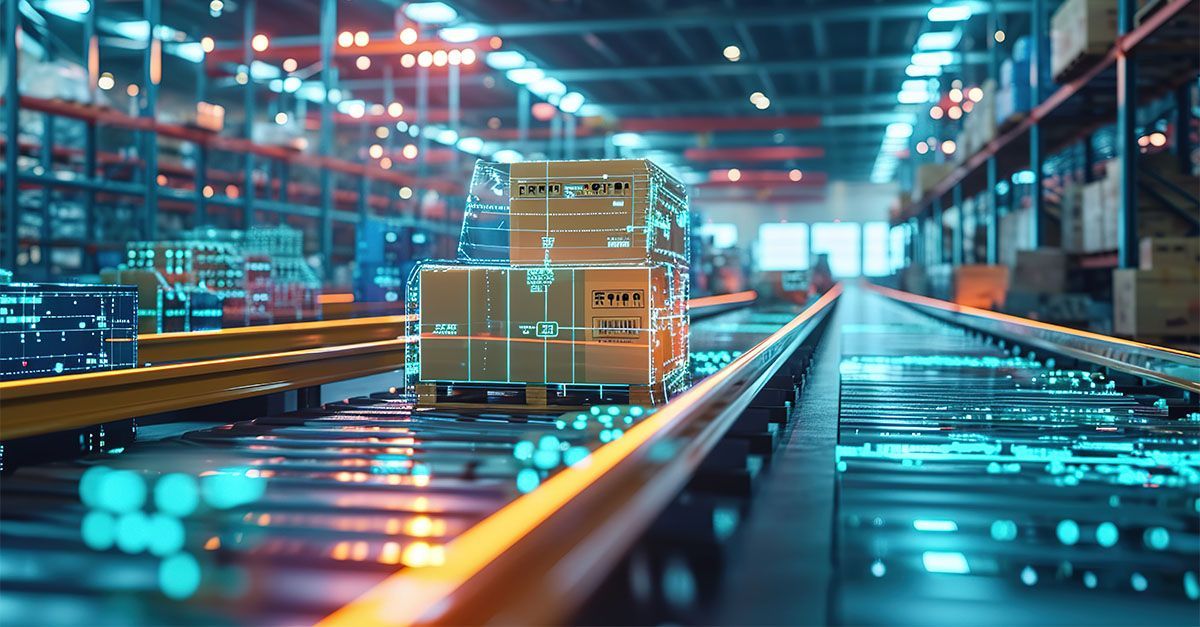
That’s where real-time visibility platforms can help. They bring together GPS telematics, IoT sensor data, and carrier API feeds into a single view. This way, every stakeholder involved in the logistics process has the same live view of where the freight is, ETA, and if anything looks off.
According to Future Market Insights, GPS telematics alone are expected to account for nearly 38% of the tracking mode market in 2026, while road freight accounts for nearly 44% of the real-time tracking market. That second number is revealing. Trucking remains one of the most fragmented and challenging transportation modes to track, which is exactly where visibility tools are most critical.
Poor transparency has a real operational
cost for freight. The logistics performance benchmarks indicate 20-30% inefficiency in fleet utilization due to limited visibility. In May 2025,
Gartner told supply chain leaders to prioritize investment in advanced data visibility as a competitive necessity. When shippers handle shipments across multiple carriers and distribution centers, common visibility turns freight management from a guessing game into something you can plan for.
Driving Efficiency Where It Counts
Real-time visibility is about leveraging information to make better, faster decisions throughout the operation. Having visibility into live ETAs and dwell times allows logistics teams to tighten dock scheduling, reduce idle truck hours, and eliminate unnecessary handling steps. Industry standards indicate that detention fees alone can range from $50 to $100 per hour per truck. Those costs add up quietly and quickly across a network.
Efficiency gains in logistics safeguard the customer relationships, which in turn drive revenue. Real-time visibility brings warehouse operations, carrier coordination, and customer communications into one tighter feedback loop, and the companies that close that loop faster tend to keep their accounts longer.
Catching Problems Before They Escalate
Reactive versus proactive logistics is a question of timing. Do you find out four to 24 hours before the problem hits your margin, or do you find out after the delivery window has closed? Predictive ETA and exception alert modules account for about 31% of the visibility platform market today, according to FMI. That growth reflects a shift in what shippers want from their tracking tech.
Take a temperature-controlled shipment that is three hours behind schedule. A trigger alert goes to the logistics team. They change the receiving appointment, inform the end customer, and avoid both detention charges and the risk of spoilage. Without that early warning, the dispatcher hears about the delay only after a frustrated phone call, and by then, the options are limited and expensive.
Industry research found that shippers using multimodal visibility platforms can cut demurrage and detention charges by up to 70%. That is a fundamental change in how freight problems are approached.
How EFS Builds Visibility Into Every Shipment
Every shipment passing through Entourage Freight Solutions (EFS), from full-truckload frozen protein shipments to LTL dry-goods orders, is tracked using cloud-based, GPS-enabled platforms and IoT-integrated monitoring. This way, shippers don’t have to wait for a call to find out that their load is late.
Behind the technology is a team that answers the phone 24/7, staffed with people trained to intervene the moment something looks wrong, rather than waiting until it compounds into a missed delivery and an accessorial charge. That visibility, coupled with the ability to act on it, means EFS can find backup carriers or alternative routes when the original plan falls apart.
Contact us today to get started.