Retail Supply Chain Challenges and How to Overcome Them
Blog Post CTA
Retail supply chains in 2026 are under pressure from rising freight costs, volatile demand, and a tightening freight market at the worst possible time. None of these issues are new, but the combination is putting pressure on retailers in ways that last year’s playbook may not be equipped to handle.
The freight recession’s aftershocks, along with shifting trade policy and consumer behavior, have created a situation in which retail supply chains need to be more flexible than they have been in years. A Deloitte survey found that
66% of global retail executives plan to reconfigure their supply chains by nearshoring or diversifying suppliers if input costs continue to rise. Decisions like that are driven today by tariffs, geopolitical volatility, and high transportation costs.
Nevertheless, consumer expectations are not diminishing. Consumers want faster delivery, flexible options to meet their orders, and near-perfect product availability. The big tension that a lot of retailers are dealing with right now is how to deliver those expectations on tighter margins.
Demand Volatility and Forecasting Gaps
Traditional demand forecasting is failing to keep up with the speed of evolving buying habits. With trend-led demand spikes, promotional intensity, and inflation-sensitive purchasing behavior, it is becoming increasingly difficult to know what consumers will buy and when.
The issue isn’t a lack of data. That’s why many retailers still use planning processes built for more stable demand environments. For example, a weekly forecast isn’t flexible enough for a viral product moment on TikTok or a weather event that can change regional buying patterns overnight.
What seems to work better is tighter feedback loops between point-of-sale data and logistics planning, and working with logistics providers that can flex capacity on short notice when demand moves faster than planned inventory can keep up with. Retailers that view forecasting as an ongoing process rather than a quarterly event appear to handle volatility better.
Last-Mile Delivery Costs and Customer Expectations
Last-mile delivery now accounts for about 53% of total shipping costs, up from 41% in 2018. Average delivery costs in the U.S. are up 12% from 2024 to 2025, and three out of four retailers say home delivery is unprofitable with current cost structures. But consumers still want fast (and often free) deliveries. The delta between expectation and economics is one of the hardest problems in retail logistics today.
To that end, some retailers are using regional distribution centers and micro-fulfillment strategies to bring inventory closer to the customer. Others are using data-driven route planning to optimize
LTL shipments and consolidate orders to lower per-unit delivery costs. There is no silver bullet, but the retailers making headway are treating last mile as a strategic problem rather than a line item.
Freight Capacity Constraints and Carrier Reliability
Prologis Research noted that active carrier authorities were about 12% below their 2022 peak heading into the year. That means fewer trucks available at a time when freight demand is recovering from the recession.
Capacity is harder to come by, especially during seasonal peaks and on lanes where demand is concentrated.
Spot market rates were up more than 23% earlier in the year, and contract renewals are catching up with that.
Building relationships with 3PLs that maintain deep, prequalified carrier networks is one way to hedge against capacity volatility. Practical ways to reduce exposure include booking earlier, diversifying across freight modes, and securing capacity commitments before the peak season. Waiting until capacity tightens to look for coverage is how you pay premium rates or miss delivery windows.
Building a Retail Supply Chain That Can Absorb Disruption
Retail supply chains designed for predictability are failing in a world where there isn’t much of it. But that is where Entourage Freight Solutions (EFS) steps in.
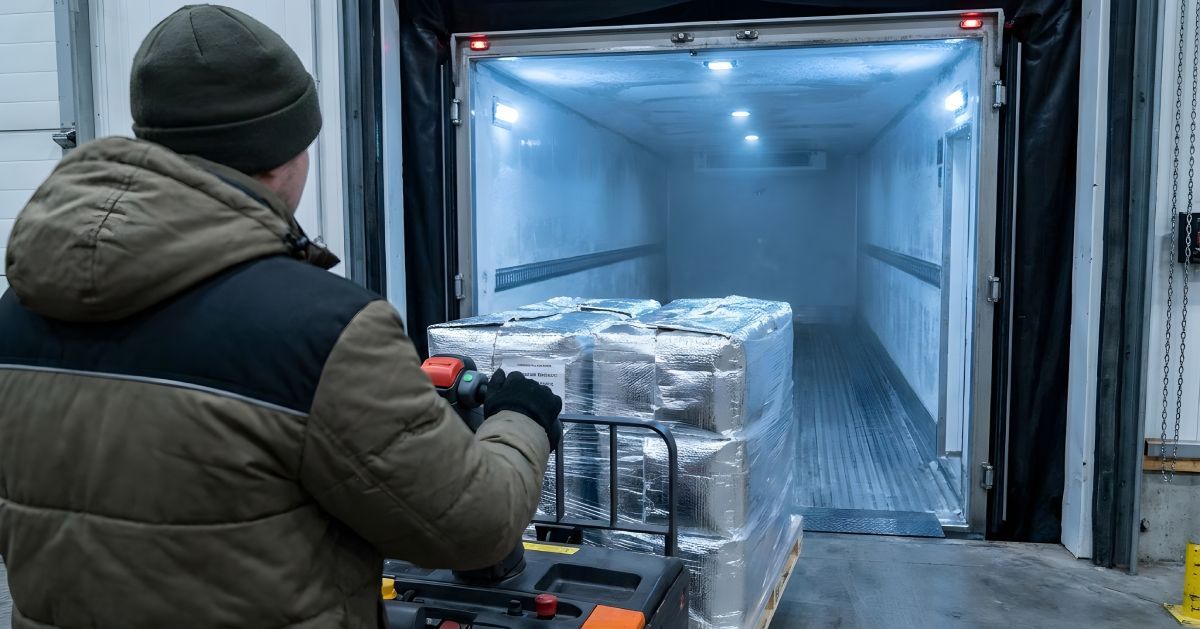
EFS gives retailers access to a carrier network of more than 4,500 prequalified dry freight carriers and 3,500+ reefer carriers, so capacity is readily available even when the broader market is tightening. Whether a retailer requires FTL coverage for high-volume seasonal replenishment, LTL consolidation for smaller shipments to multiple stores, or temperature-controlled transport for perishables, EFS has the network depth to fulfill the need.
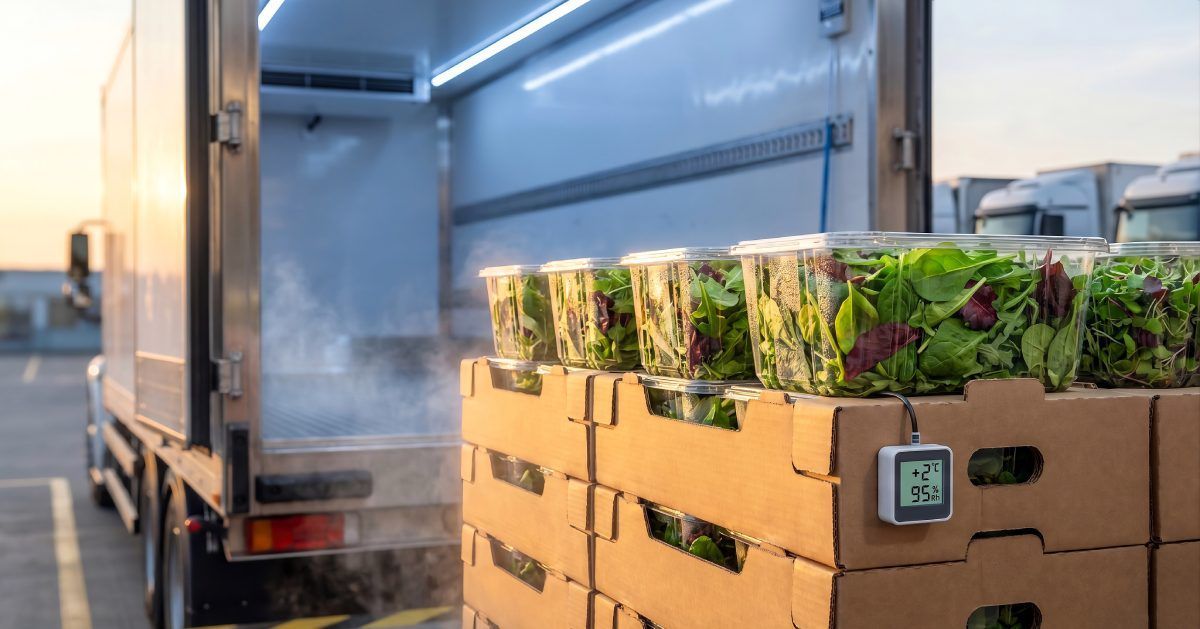
EFS’ cradle-to-grave tracking monitors every shipment from origin to destination, delivering retail supply chain teams a continuous view of freight status and timeliness. For temperature-sensitive products like food, beverages, or cosmetics, IoT-enabled monitoring logs conditions in real time so retailers can confirm goods arrived within spec, rather than learning after the fact.
Contact us today to get started.