Logistics Solutions for Automotive Manufacturers: A Comprehensive Guide
Blog Post CTA
One missed shipment can stop an entire automotive assembly line, and the cost is not just the parts sitting on a truck somewhere when that happens. You have to factor in the cost of idle workers, production disruption, downstream supplier delays, and penalties for late OEMs.
For automotive manufacturers, logistics is the glue that keeps production together. In this guide, we break down the specialized logistics services automakers rely on and the factors that make their supply chains so uniquely challenging.
Why Automotive Manufacturers Need Specialized Logistics
A typical assembly plant will draw thousands of individual parts from hundreds of suppliers in many countries. Many of those parts must arrive in a specific order, sometimes within a two-hour window, to meet just-in-time (JIT) production schedules. That makes the automotive supply chain unique but also a bit more complicated.
A manufacturer may need flatbed service to ship steel coils, temperature-controlled transportation for adhesives and chemicals, LTL consolidation for smaller shipments of components, and FTL capacity for high-volume runs. Each mode has its own handling requirements, and mixing them up can result in damaged goods or rejected deliveries at the dock.
Automotive manufacturers have little to no room for error. Industry estimates put unplanned downtime at major auto plants at between $20,000 and $50,000 per minute. One brief interruption can echo through the production schedule for days, underscoring that the logistics operations of an automotive manufacturer cannot afford to be reactive. It needs to predict problems before they reach the plant floor.
Core Logistics Services That Keep Production Lines Moving
Most carmakers use a combination of freight services, and the mix tends to vary depending on the production stage they support.
1. Full Truckload (FTL)
The workhorse for high-volume, recurring shipments, such as stamped metal parts, engines, or seat assemblies moving between a Tier 1 supplier and the OEM plant. These are usually planned loads with short delivery windows.
2. Less-Than-Truckload (LTL)
This picks up the slack. Smaller suppliers shipping lower volumes of fasteners, electronic modules, or interior trim pieces often can’t justify a full trailer. LTL allows them to share capacity, but it adds more touchpoints and, with them, a greater risk of delay or damage.
3. Flatbed and Specialized Equipment
Flatbed and specialized equipment can be leveraged to ship oversized or heavy freight. Think of large die-cast parts, tooling, or machines being moved between plants. These shipments require special securement protocols and, in some cases, permits for oversized loads.
4. Cross-Docking
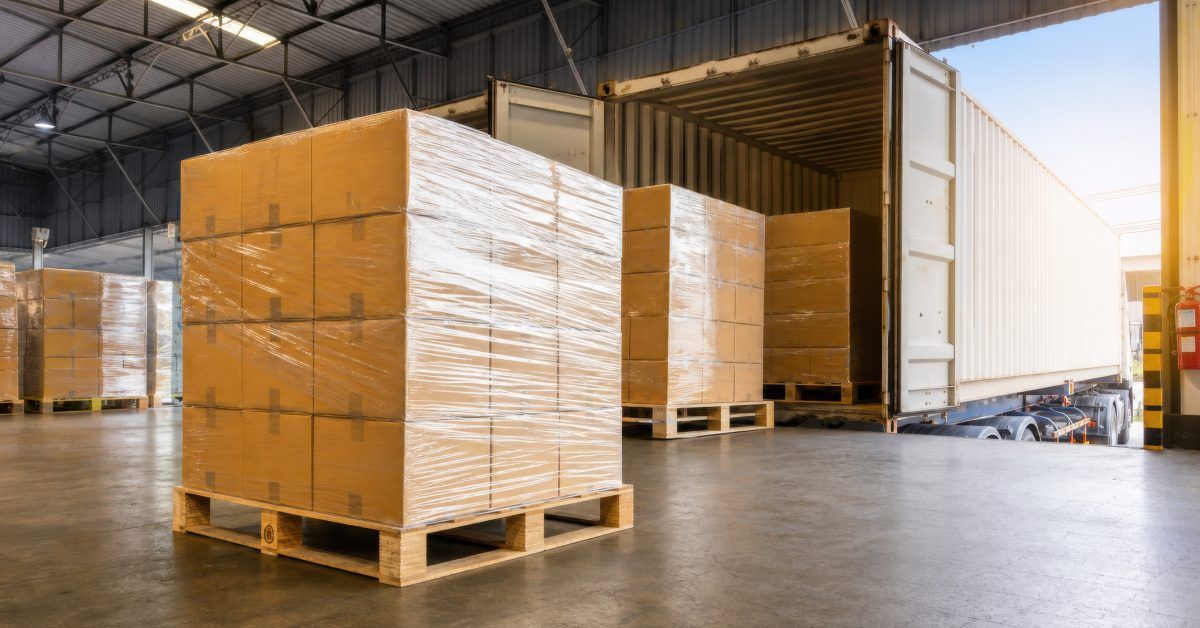
Instead of warehousing inbound freight, a cross-docking facility receives shipments from several suppliers, sorts them, and consolidates them onto outbound trucks for delivery to the assembly plant. It cuts down on storage time and speeds up getting parts to the line, which is important when you are working on JIT timelines.
Visibility and Coordination Across a Multitier Supply Chain
Knowing a shipment location is important. But in automotive logistics, that means having real-time knowledge of where every shipment is across every tier of the supply chain. With real-time freight visibility, manufacturers can see their inbound loads and catch exceptions before they become emergencies. If a truck carrying brake assemblies is three hours late, the logistics team needs to know now — not when the driver calls from the loading dock.
This kind of proactive exception management becomes even more important when handling freight across various supplier tiers. A chain is created when a Tier 2 supplier ships raw castings to a Tier 1 machining shop, which then ships finished components to the OEM, compounding delays into the next stage. Effective coordination means watching all those handoffs and having contingency plans in place if something goes wrong.
Carrier communication is also very important here. The logistics provider must maintain constant communication with drivers, dispatchers, and receiving teams to keep everyone on the same page. In a JIT environment, little miscommunications about appointment times or dock assignments can lead to backups.
Getting it Right With Entourage Freight Solutions
Entourage Freight Solutions (EFS) is built for the high-stakes, time-sensitive freight that automotive manufacturers face each day. EFS has a network of more than 4,500 prequalified dry freight carriers and more than 3,500 reefer carriers to provide capacity for a variety of automotive shipping needs, from high-volume FTL runs of stamped components to temperature-sensitive loads such as adhesives and coatings that require climate-controlled transport.
With our 24/7 staffing, your freight stays on track through real-time shipment monitoring, early flagging, and collaboration with carriers and receiving facilities.
Contact us today to get started.