Top 10 Ways to Reduce Your Company’s Freight Costs
Blog Post CTA
Most shippers do not analyze their freight costs — they allocate annual freight budgets based on historical trends, adding a small percentage every year to account for price inflation. This approach actually makes it harder for them to audit freight invoices and challenge unexpected carrier rate increases.
Besides paying more without a choice, it also forces them to maintain the status quo shipping modality regardless of what they ship or the volumes, simply because they do not know better.
If planned well, freight costs do not need to be a surprisingly large line item. We have highlighted 10 strategies, most of which can be implemented quickly.
1. Audit Your Freight Invoices
Billing problems occur more often than most shippers realize. For example, there could be wrong weight or class assignments, duplicate charges, and accessorial fees that should not be there. Regularly auditing your invoices helps you identify and avoid these extra costs. If you don’t have the internal bandwidth to review every invoice, there are third-party audit services specifically for this. The savings they find usually cover the cost of the service itself.
2. Negotiate Carrier Contracts Annually
Market conditions change. For example, a carrier contract that was competitive 18 months ago may no longer be so. Your volumes may be altered. But whatever the case, use data to back your shipment history, lane volumes, and total spend at the negotiating table. Carriers would much rather deal with shippers that come to them with specifics than simply ask for a discount. And don’t restrict the conversation to base rates. Accessory caps, fuel surcharge structures are just as important.
3. Consolidate Shipments Where Possible
Shipping five small LTL loads in one week when you could combine them into two larger shipments or a single FTL shipment wastes money on handling, terminal fees, and per-shipment charges. Look at your outgoing schedule for chances to combine orders going to the same area. A simple change to your order cutoff times can create consolidation windows that significantly reduce your per-unit freight costs.
4. Optimize Packaging and Pallet Utilization
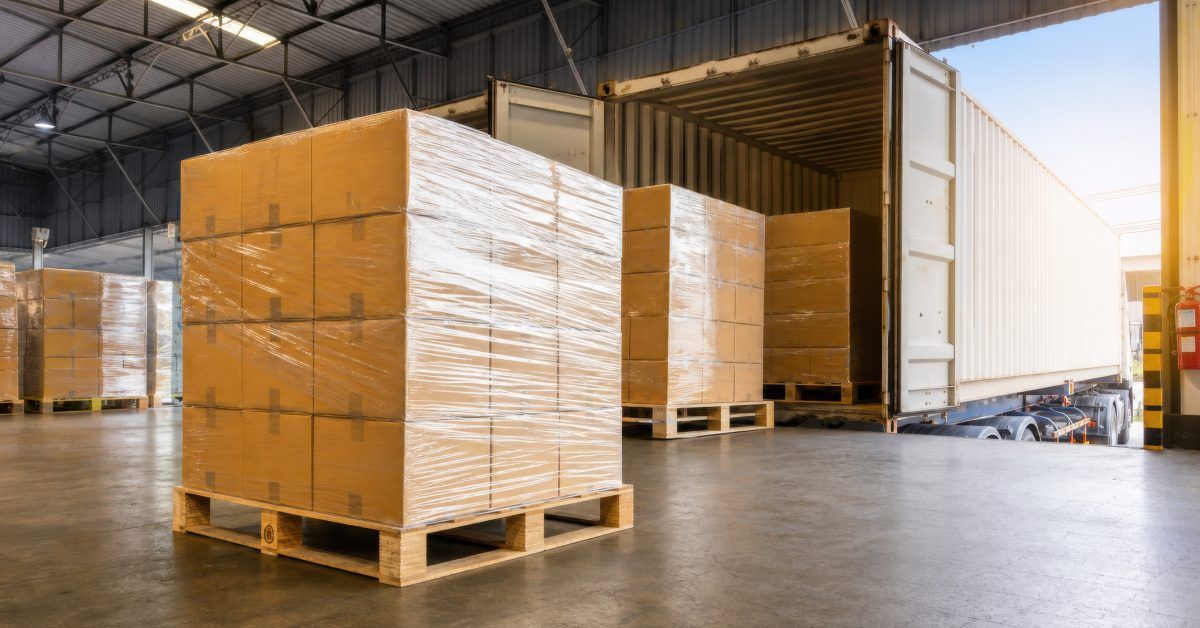
Wasted space on a pallet is wasted money on a truck. Rightsizing your packaging and getting the maximum cube out of each pallet can help you avoid oversized boxes, poor stacking, and too much void fill, which can increase dimensional weight and push your freight into a higher class. The savings add up quickly.
5. Classify Your Freight Correctly
One of the biggest and most costly mistakes in LTL shipping is misclassifying freight. For instance, when your product is classified at a higher rate than it should be, you’re paying too much. And you may not even know it. Double-check your NMFC codes to ensure they apply to your product’s density, handling requirements, and stowability. You may not see reclassification in the headlines, but the cost impact can be significant for hundreds of shipments per year.
6. Use a Transportation Management System
Organizations implementing TMS solutions report freight cost savings of 8-10% from better carrier selection, mode optimization, and shipment visibility. A simple TMS platform can highlight cost trends and rate discrepancies that manual processes overlook. Usually, you see the ROI in a few months.
7. Diversify Your Carrier Mix
It’s easy to use one carrier for everything. But it is not usually the cheapest way. Carriers have different strengths across lanes, regions, and service types. A carrier that is competitive on Southeast LTL lanes may be overpriced on the Pacific Northwest. By spreading your volume across a few carriers, you have pricing leverage, protection when capacity tightens, and options during peak seasons.
8. Shift Modes When the Math Supports It
Too many shippers default to a single freight mode without comparing the alternatives. Sometimes an FTL shipment is more expensive than booking an LTL shipment with 8 to 10 pallets. Other times, two LTL shipments make more sense than a half-empty truck on a big order. Run the comparison regularly as the crossover point between LTL and FTL varies with market conditions and lane availability. And always remember that what saved money last quarter will not save money this quarter.
9. Reduce Accessorial Charges
Hidden fees and accessorial charges, such as detention, liftgate fees, residential delivery surcharges, and redelivery charges, can account for 30-40% of your total freight cost. Many of these can be avoided with better planning. For example, ensuring receiving docks are ready for trucks upon arrival. Checking delivery addresses and access needs before booking is another.
10. Partner With a 3PL
A 3PL that has built relationships with carriers can use volume discounts that individual shippers typically cannot obtain on their own. But rates are only one part. The right logistics partner does a lot of what we have discussed so far. With a logistics partner like
Entourage Freight Solutions, you gain a broader view of market conditions and can identify savings opportunities that are difficult to uncover within a single operation.
Contact us today to get started.