LTL vs. FTL Shipping: Choosing the Right Option for Your Business
Blog Post CTA
For a shipper with freight to move, the first crucial decision it makes is sorting out the mode of trucking. Choosing the right shipping option between LTL and FTL can impact everything from freight costs to delivery timeline and the number of handovers a product has before it reaches the end customer.
Unfortunately, most shippers choose either LTL or FTL shipping and stick with it regardless of economics or freight volumes. A smarter approach is to weigh volume, urgency, and budget against what each mode actually provides.
What Actually Separates LTL from FTL
The names explain the basics. Less-than-truckload (LTL) means freight from different shippers shares a trailer. Full truckload (FTL) means one shipper’s freight occupies the entire trailer. But the real difference shows up in how freight moves.
LTL moves freight through a hub-and-spoke network. They’re loaded at pickup, unloaded at a terminal, sorted, reloaded on a different truck, and might repeat the process before they reach the final stop. With FTL, the trailer moves from the shipper’s dock to the receiver’s dock — no terminals, no transshipment, and no sharing.
That operational difference matters. Sometimes the line between LTL and FTL is not so clear, as the volume of shipment at hand might justify either option. A shipment of eight pallets could go either way, depending on weight, destination, and delivery urgency.
When LTL Makes Sense
LTL is a good fit for shipments of one to six pallets, generally under 10,000 pounds. That makes sense, cost-wise, for businesses that send regular but smaller shipments to multiple locations. For example, a regional frozen food distributor sending three pallets to a handful of accounts would likely burn cash on FTL for each delivery. Reefer LTL would be a better option.
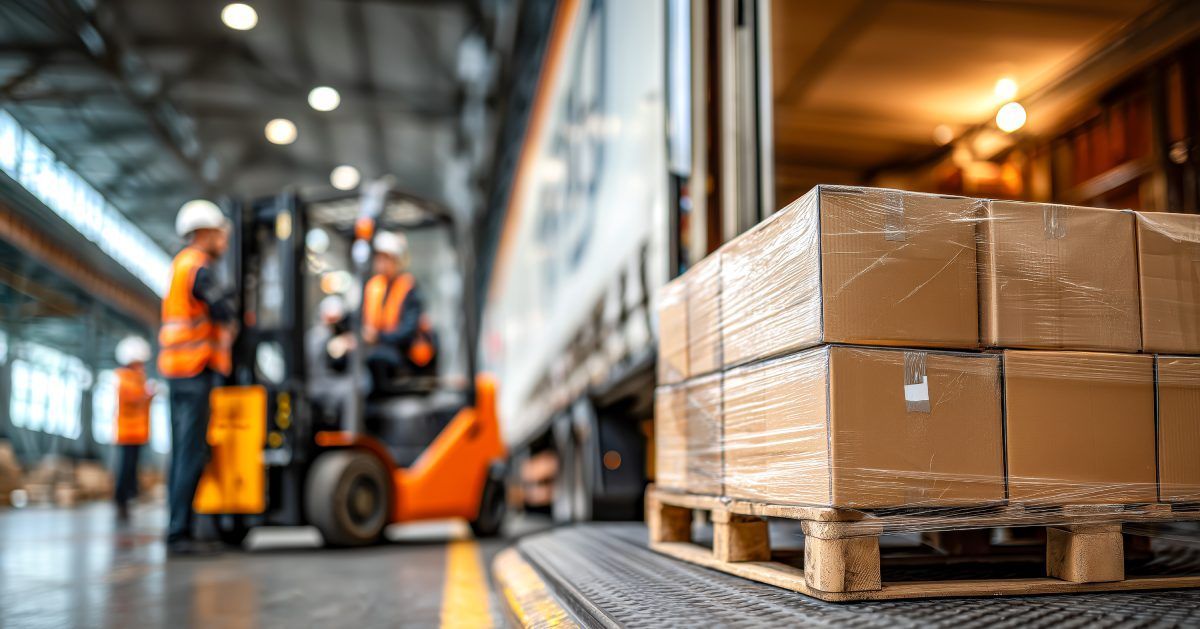
But there are trade-offs to LTL that are worth highlighting. For starters, the truck stops several times, which lengthens the transit time. The freight is handled more often, so there is a greater chance of damage. And add-on charges for things like liftgate delivery, detention, or residential drop-offs can quietly inflate your bill if you’re not paying attention to the fine print.
When FTL Is the Better Call
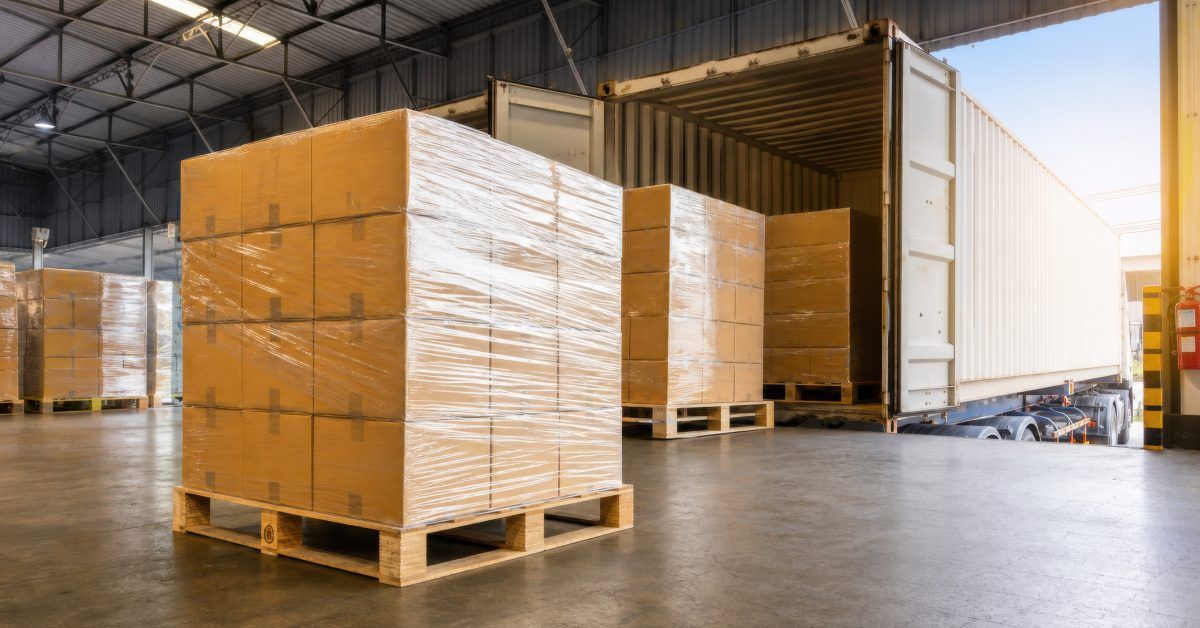
When your shipment is about 10 to 12 pallets or over 10,000 pounds, FTL becomes more economically viable. At that volume, the cost per unit can be lower than it would be if the same freight were broken into LTL shipments. Some shippers are surprised to learn that three separate LTL moves can cost more than one FTL shipment. The other major consideration is speed. FTL goes point to point with no terminal stops, which can cut days off the delivery time.
There are also fewer touchpoints, which means fewer chances of damage or loss. And the pricing is often easier. You’re paying a flat rate for the truck, based on mileage, equipment type, and market conditions, rather than calculating freight class and hoping accessorial charges don’t add up.
The Factors That Should Drive Your Decision
There’s no one-size-fits-all answer to the question of LTL versus FTL shipping. The right mode depends on what you are shipping, how quickly it needs to arrive, and what your budget allows. A company may use LTL consolidation for its regular weekly replenishment orders and FTL for a big seasonal push. Each mode has its place.
The typical break-even point for LTL versus FTL is around 12 to 15 pallets, or 12,000 to 15,000 pounds, but it depends on the route and time of year. Freight class calculations, lane density, and carrier relationships all figure into which mode provides the better value on a given shipment. If you haven’t looked at the
rates on both modes in a while, you’re probably losing money.
Making the Right Call (and Getting Help With It)
LTL or FTL shipping is a decision made on a shipment-by-shipment basis. As your business grows and order patterns change, the mode that was right six months ago may not be right today. Be flexible. Do the math. And if the math gets tough, lean on a partner who knows both sides of the equation.
This is where partnering with a 3PL, such as
Entourage Freight Solutions, that operates across both LTL and FTL networks can make all the difference. We can handle the comparison for each shipment and determine when consolidation or mode switching would be less expensive than individual carrier relationships for each mode.
Contact us today to get started.