How Expert Cargo Handling Helps Navigate Oversized Freight Challenges
Blog Post CTA
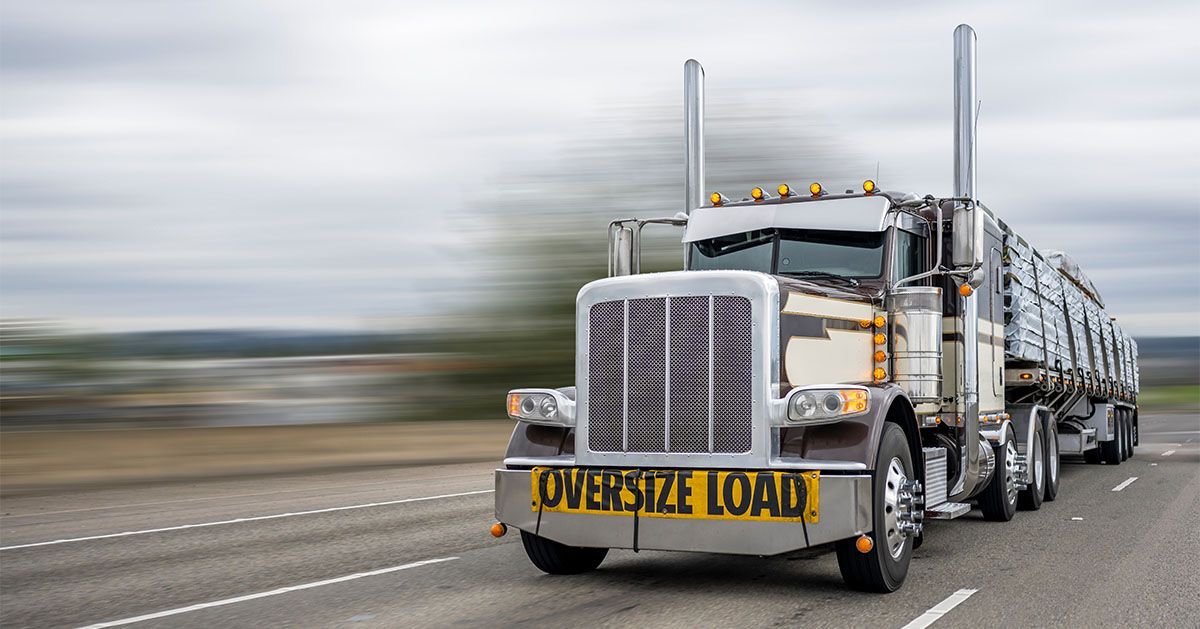
In the realm of manufacturing, the stakes for freight can be very high. Late or damaged oversized freight can delay a delivery and stop an entire project in its tracks. Unfortunately, many companies treat shipping oversized freight the same as shipping regular freight. But it is not the same thing. Having or leveraging specialized knowledge of moving large shipments is the difference between success and a six-figure disaster.
In this article, we will show you how getting the planning and handling right saved one automotive project from a very expensive delay.
EFS and an Automotive Project With a Short Deadline
An automotive parts supplier sent a large stamping press and several oversized tooling parts from a fabrication facility in the Midwest to an assembly plant in the Southeast. The pieces were between 10 and 14 feet wide and weighed more than 80,000 pounds altogether. None of it was regular freight, and the timeline made things harder.
The assembly plant had two weeks before production began to get everything ready. And missing that window risked disrupting the production line. Recognizing the need for freight-handling expertise, the supplier brought in Entourage Freight Solutions.
How Entourage Freight Solutions Navigated the Oversized Freight Shipping Process
While EFS realized that the freight was doable, it was clear it was not a straightforward move. To get this shipment right, EFS had to stack several steps on top of each other, with each one depending on the one before it. Here is what we did:
1. Pre-Shipment Survey and Load Assessment
The first step was to figure out the securement needs, the load’s center of gravity, and the tie-down points. This was necessary to determine which trailers would be needed and how many loads the move would require. If you skip this or get the measurements wrong, you might show up on pickup day with the wrong tools.
2. Multi-State Permit Coordination
The route of choice went through three states, each with its own rules about oversized freight, size limits, and travel times. One state didn’t allow big moves on weekends. Another one limited travel after dark. We obtained all necessary permits in advance and planned the transportation schedule around the specific windows in each state. This way, there were no surprises at weigh stations or inspection points.
3. Route Engineering and Pre-Run Verification
We planned the route to avoid bridges with low clearance, weight restrictions, and construction zones. A pilot car drove the entire route before the move to check for clearances and flag any last-minute problems, such as roadwork not listed in permit databases, a temporary lane closure, or a detour sign that changed the route.
4. Equipment Matching
We chose a mix of step-deck and RGN trailers based on the pre-shipment survey, ensuring each part was the right size and weight. Because of the stamping press’ height and center of gravity, an RGN was required to maintain ride height within legal limits. Tooling parts were placed on step-decks with custom plans for their safekeeping.
5. Escort and Safety Coordination
We set up pilot cars for each leg of the route and worked with state DOT offices on sections that required traffic control. The escort drivers were informed of the load size, the planned route, and all planned stops. This kind of coordination takes time, communication, and people who’ve done it before.
The Results: On Time, No Damage, No Problems
All of the major parts arrived within the two-week window, at least four days before the start of production. That margin was important because it gave the assembly plant time to set up the press and run test cycles before the line went live.
Besides the timing, the other outcomes were just as important. There was no damage to any of the freight. Total compliance with all the permits and rules across the three states. No violations, fines, or delays on the side of the road. Most importantly, the assembly plant started production on schedule, which saved them millions of dollars in idle-line
costs.
Shipping Oversized Freight With Entourage Freight Solutions
The truth is that oversized freight will always be hard to handle. However, just because something is complicated doesn’t mean it’s dangerous, as long as the planning fits the size of what you’re moving. The good news is that you can leverage
EFS’ expertise and oversized freight-handling experience to make sure there is no hitch in your process.
Contact us today to get started.