How to Find Reliable Freight Capacity During Peak Season
Blog Post CTA
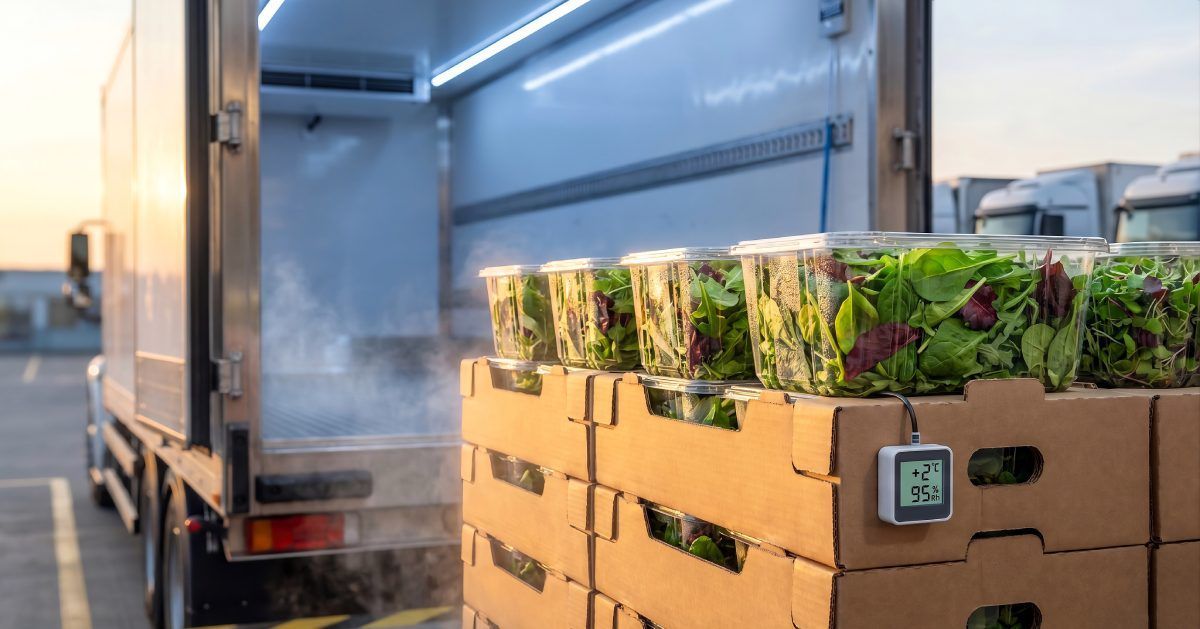
Peak season isn’t a surprise, and reliable freight capacity shouldn’t be a struggle. Think about it: produce typically runs April-September, retail speeds up in Q3, and holiday freight picks up in November. The dates are always the same, but every year, shippers scramble to secure trucks they should have locked down months earlier.
When demand surges and carriers are choosy, it’s shippers without a plan that end up paying spot market premiums for coverage that may or may not materialize. Truckload tender rejections peaked at
13.24% during the 2025 holiday peak, well above the 7-8% threshold typically indicating a
tight market. That is the price of not being ready.
Employing strategies to secure consistent freight capacity during high-demand seasons helps avoid delays and extra costs.
Start With Your Carrier Relationships
This one is obvious, but most shippers get it wrong. They ignore their carriers for nine months and then want priority when trucks become scarce. But carriers remember those that gave them consistent freight during the slow season. And they also remember who paid on time, who had clean bills of lading, and who didn’t hold their drivers at the dock for four hours. When capacity gets tight, those shippers get priority. The ones that only show up when they want something go to the back of the queue.
If your company lacks the freight volume or staff to build these relationships on its own, a 3PL like
Entourage Freight Solutions, with a built-in carrier network, can extend that access.
Plan Earlier Than You Think You Need To
If your peak season kicks off in Q3, you should do your capacity planning in Q1. That’s not an exaggeration because waiting to lock in carriers until demand heats up is the logistics equivalent of shopping for holiday flights on Christmas Eve.
The first step is to forecast freight volumes by lane. Critical answers to questions include: Which lanes have historically gotten tight during peak? What are the most tender rejections you’ve seen? Who has let you down before with the ball in hand in seasons gone by? The answers to those questions should help drive your procurement strategy.
Routing guides are another part of this. A routing guide — created, tested, and refreshed before peak season — gives you a backup plan when your primary carrier isn’t able to cover a load. But remember, a routing guide driven by crisis is just a list of phone numbers.
Diversify How You Source Capacity
Using a single carrier, or even a single mode, creates a single point of failure. The peak season is exceptionally good at hitting those single points of failure right where it hurts. When any one source tightens, shippers that spread their freight among a mix of asset carriers, brokers, and a 3PL partner are better positioned.
Flexibility in modes helps too. For example, when full truckload capacity is tight, can some of your FTL loads be
consolidated into LTL? Can cross-docking reduce the length of a multi-leg route and the number of trucks you need? Is intermodal an option on longer lanes that opens up on-road capacity for shorter, more time-sensitive hauls?
3PLs such as EFS, with carrier coverage across FTL, LTL, reefer, and
cross-docking, enable shippers to switch between modes and carriers quickly. That way, if a primary option doesn’t work out, your shipment is not stranded.
Use Data to Spot Trouble Lanes Early
With the right data, most capacity problems during the peak seasons become predictable. That is why the shippers that get blindsided are usually the ones that aren’t running on data.
For instance, if a carrier rejected 30% of your loads on a particular lane last peak season, you need to have a backup carrier lined up for that lane this time. If you see a lane that consistently spikes during produce season or holiday freight, build that into your budget and your procurement plan before the rates actually move.
Historical volume patterns matter as well. If you’re doing 10 loads a week in a lane in Q1 but up to 25 in Q3, you need a capacity plan that reflects the peak, not the baseline. Most shippers know the busy lanes. Few have a documented plan to cover those costs when they arise.
Prepare for the Next Peak Season With Entourage Freight Solutions
The key to securing good freight capacity in peak season is in how you prepare before demand surges. The good news is that
Entourage Freight Solutions can help. We provide you with the carrier depth, mode flexibility, and reporting to help you get ahead of it.
Contact us today to get started.