How to Make Farm to Store a Success via Grower-Shipper Logistics Collaboration
Blog Post CTA
A grower can produce the perfect crop, then lose it in one bad handoff, one warm trailer, one slow dock, one late pickup, or one bad plan. However, with logistics collaboration, your fresh food stays fresh from harvest through delivery. Think of cold freight like ice in a cooler. If you keep opening the lid, the ice does not fail, the plan does. That is why farmers who “just need a truck” continue to pay for shrinkage out of pocket.
In this article, we explore how logistics collaboration with
EFS keeps cold chain freight on track and how coordinated reefer transport helps farmers deliver food in sellable condition.
Logistics Collaboration Is Control
Logistics collaboration means the farmer and the shipper operate under a single plan. Instead of making phone calls after the problem starts, there is an agreement on timing, temperature, loading rules, and what happens when reality shifts. Surprise is the biggest problem for farmers in cold freight, and logistics collaboration solves it. However, it only works when it covers the full supply chain.
For example, some produce growers and a regional food manufacturer operated a shared day plan. Partnering with Entourage Freight Logistics ensured harvest blocks were set around reefer appointment slots. And following that, trailers arrived precooled, pallets were moved directly from cold storage to the trailer, and doors closed quickly. There were fewer touches, and the produce moved between both parties with zero spoilage or surprises.
Here is what logistics collaboration looks like in real farm freight:
- Harvest and pickup timing match. The truck arrives when the pack-out is ready, not “sometime today,” which leaves the product exposed to heat.
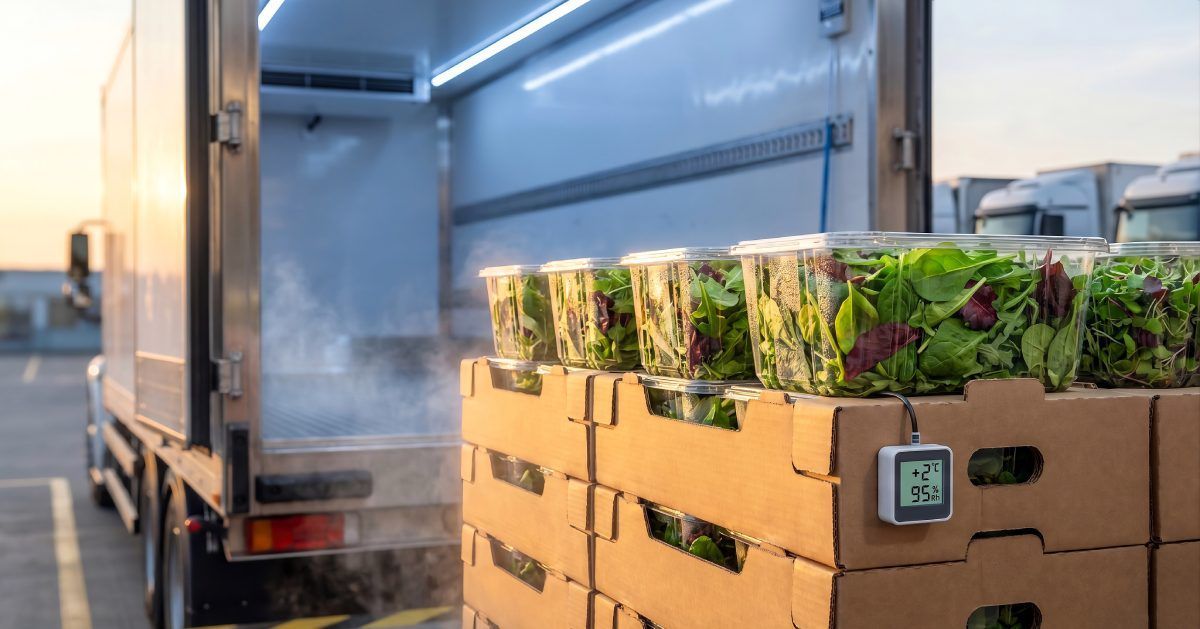
- Temperature rules are clear before loading. Set points, pull-down, and product temp targets are agreed upon before the trailer doors open.
- Dock time is planned. Pallets are staged, labor is ready, and the trailer does not wait in line.
- One person owns the next call. When rain delays harvest, or a line goes down, someone triggers the new plan — fast.
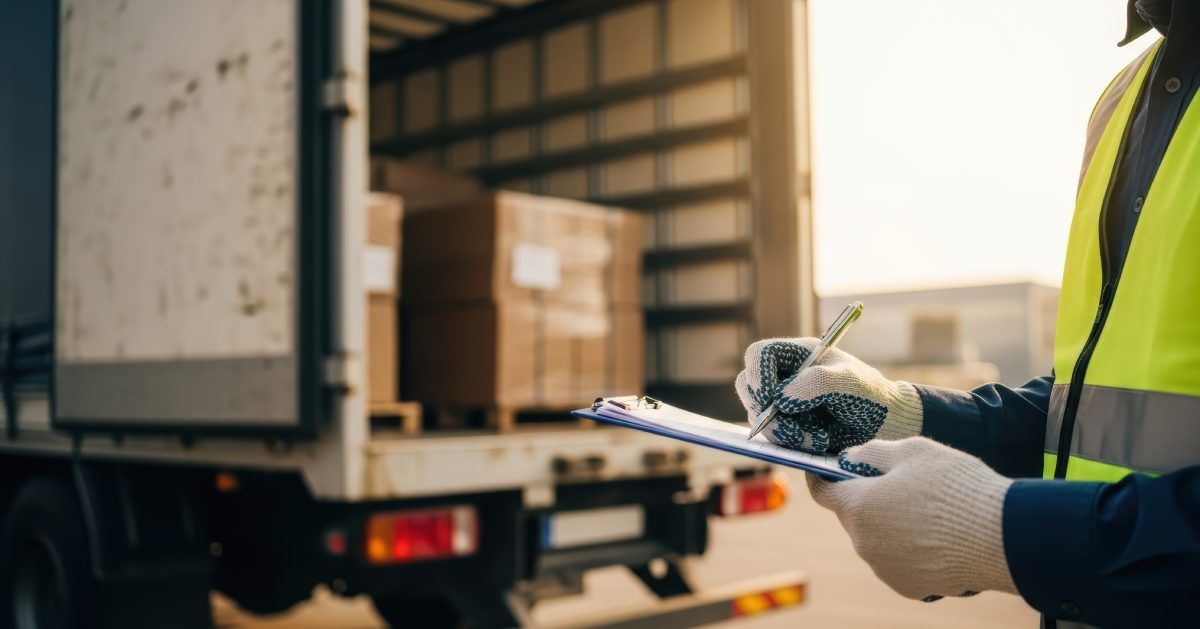
- Paperwork is ready before the wheels move. Bills, labels, and receiving notes are set in advance to prevent delays.
EFS Perfects an All-Weather Day-to-Day Cold Chain Operating Plan
EFS supports cold chain logistics with capacity and coordination built for foodservice and beyond. That support shows up in the work that farmers feel most strongly about.
For example, a foodservice supplier was losing product during seasonal demand swings. Some days needed full trucks. Other days needed mixed loads. However, the supplier was forcing everything into a single mode. That mismatch created unnecessary delays, cross-dock congestion, and longer exposure during transfers. Of course, the result was a shrinkage in claims and credits.
When EFS was brought in, we split freight by volume and urgency. Reefer FTL handled heavy lanes, reefer LTL handled smaller drops, and
cross-docking was scheduled tightly to limit floor time. Each load was moved in accordance with a clear temperature plan. Deliveries stabilized, and the spoilage fell.
Where EFS Helps Farmers the Most
With EFS coordinating reefer freight, cross-dock moves, and linehaul, the farm operation spends less time chasing trucks and more time protecting quality. Here is how we help:
- Reefer transportation services that match harvest and production rhythms, not random availability.
- FTL and LTL reefer options that fit both full loads and mixed orders.
- Cross-docking that reduces dwell and keeps temperature exposure low.
- One dispatch and tracking thread that reduces missed signals and late updates.
A frozen food processor was facing freezer congestion and missed pickups. Frozen inventory piled up in the plant because outbound trucks repeatedly missed windows. So, instead of a buffer, the freezer became a parking lot. The late pickups forced double handling, crews rushed loads, and doors opened longer than planned. Energy use was climbing, but the risk was climbing faster.
EFS was engaged when the processor determined the issue was not due to freezer size. It was outbound control. EFS set fixed reefer pickup windows tied to production flow. FTL lanes were assigned in advance, dispatch remained live during loading, and missed windows triggered rapid changes rather than silence. As a result, the freezers were cleared on schedule, and the product stayed frozen because flow replaced guessing.
Freshness Is a Shared Job, Not a Farm Problem
Farmers do not lose product because they cannot grow what they want. They lose product because logistics breaks trust at the last mile of quality. Logistics collaboration turns cold freight into controlled freight. With
Entourage Freight Solutions’ reefer support, farms and shippers can protect integrity, reduce spoilage, and deliver with confidence at scale.
Contact EFS today to get started.