Building Adaptive Supply Chains Amid Global Trade Uncertainty
Blog Post CTA
When tariffs shift overnight and shipping routes close without warning, trade chaos becomes the norm. Naturally, this results in a situation in which retailers and manufacturers are in dire need of adaptive supply chains to survive the chaos.
Think about how water meanders around rocks. Instead of fighting the obstacle, water focuses on finding the path of least resistance. Supply chains need to be like water — find the most optimized path around market chaos. The old model of fixed routes and single carriers is no longer effective. What you need now are systems that can withstand chaos without actually breaking.
What Makes Supply Chains Bend Instead of Break
Every adaptive supply chain typically has three key qualities that protect your operations from trade disruption and management failures.
1. Real-Time Tracking Prevents Blind Spots
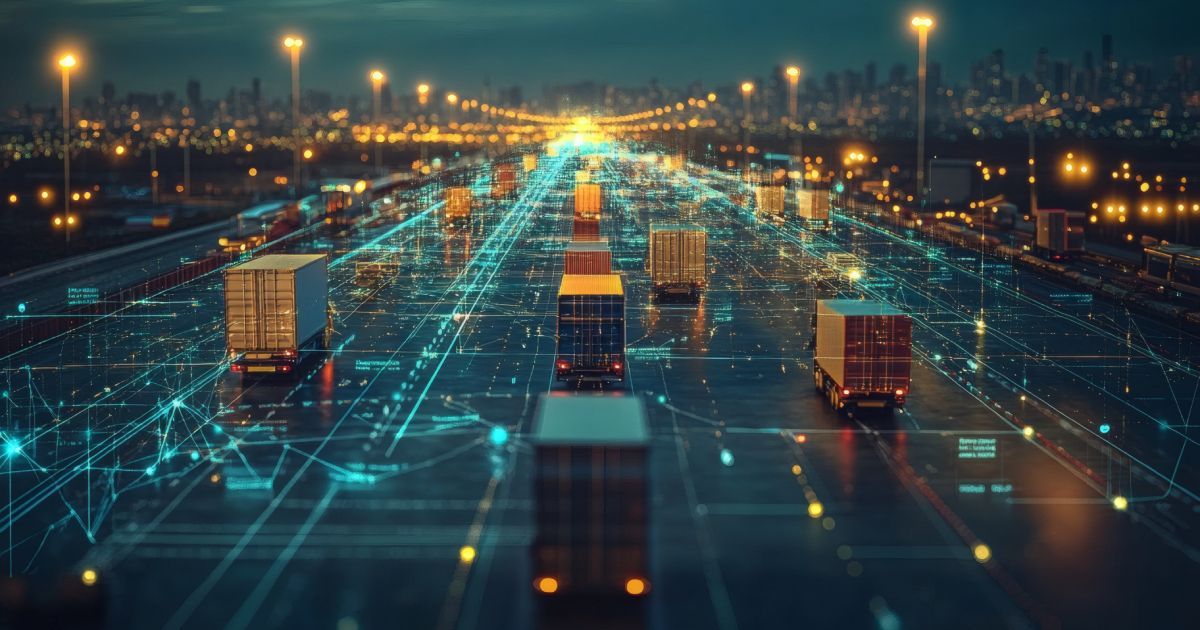
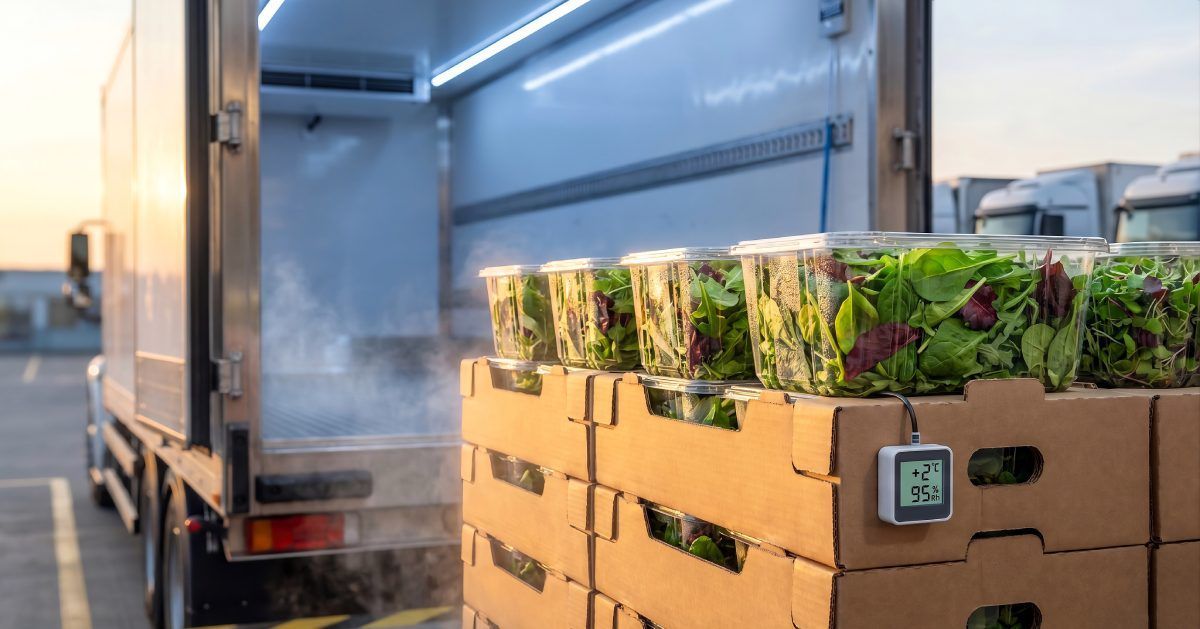
It is hard to fix a problem you cannot see. By leveraging supply chain visibility tools, you can monitor shipments in real time and identify potential bottlenecks that may disrupt their movement. That kind of speed allows you to make effective decisions before customers notice any delays. For example, a grocery chain using real-time visibility can shift reefer trucks from one region to another based on actual demand rather than relying on guesswork.
2. Multiple Transportation Options Create Safety Nets
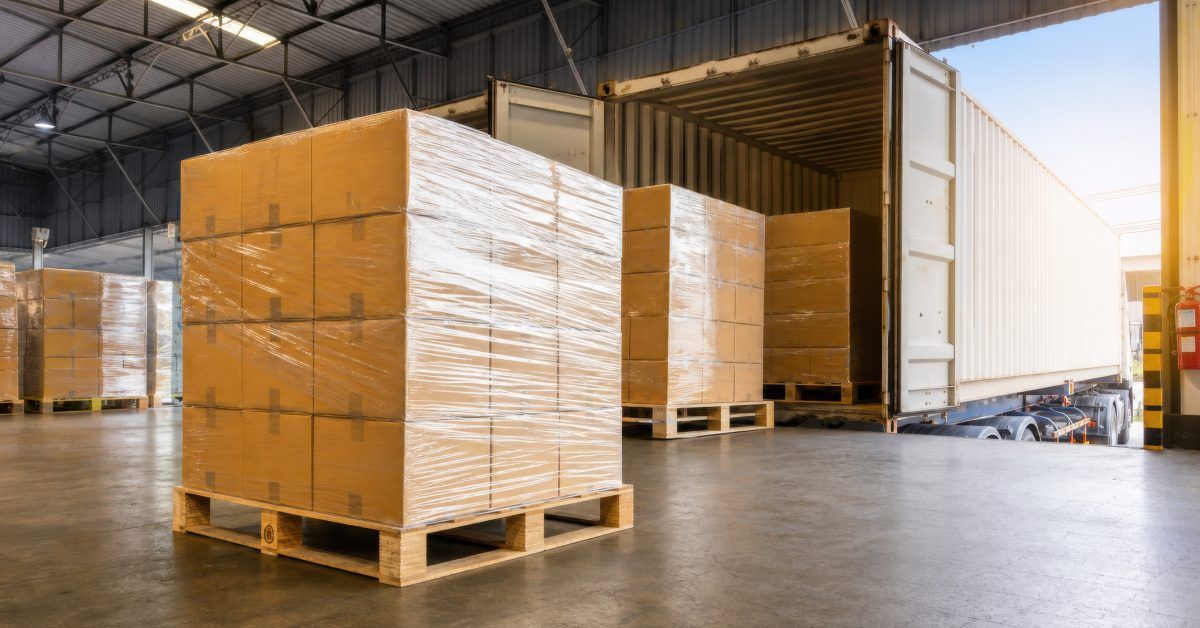
Relying on a single shipping option leaves your shipment vulnerable to disruption when that option is no longer viable. Instead of being confined to a single option, an adaptive supply chain utilizes FTL for large shipments, LTL for smaller orders, and cross-docking to minimize warehouse time.
For instance, consider a manufacturer that normally ships full truckloads to distributors. When tariffs make large shipments too expensive, they can switch to LTL and consolidate orders at cross-dock facilities. The shipment is still moving, just through different channels.
Third-party logistics providers, such as Entourage Freight Solutions, give you instant access to these options without the need to purchase trucks or build warehouses.
3. Smart Backup Systems Save Money
An adaptive supply chain is based on networks that can shift quickly and as needed.
A
McKinsey study showed that companies with
resilient supply chains recovered 3.3 times faster from disruptions than their peers. That kind of recovery speed comes from strong partnerships. For example, consider food service businesses and how temperature-controlled logistics play a key role. Even a small delay can damage frozen products, but by partnering with Entourage Freight Solutions, you always have access to temperature-controlled trucks, even during peak seasons when demand soars.
Strategies to Build Stronger Supply Chains
There are strategies for building an adaptive supply chain that do not require massive investments or years of planning.
1. Stop Depending on Single Partners
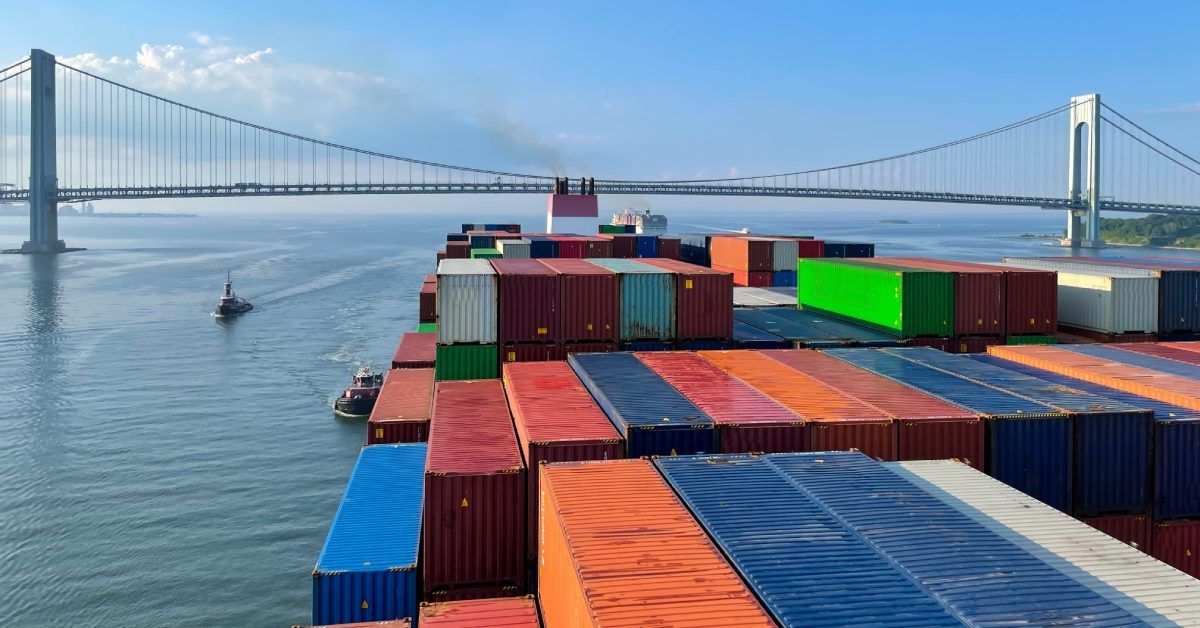
Review your current suppliers and their contracts. If you rely on a single supplier for key operations, such as freight movement, you should consider changing that as soon as possible. Maybe you use one port to move all your freight, but we saw from the Maryland port debacle that even that can be problematic. Having a single supplier or point of operation in the supply chain exposes your shipment to varying degrees of disruption. Yes, managing multiple relationships takes more work, but it is better than the regret that follows costly disruptions to operations.
2. Get Better Data Tools
If you can’t see your entire supply chain in real time, you’re likely making decisions based on outdated information, and in today’s chaotic trade environment, that is a big mistake. The good news is that the tech solutions that provide real-time information don’t have to be expensive. For example, cloud-based tracking platforms cost less than most companies expect. These systems pay for themselves by preventing just one major stockout or spoilage event. However, when selecting them, look for platforms that integrate with your existing software, as starting over wastes time.
Partner With Entourage Freight Solutions
Trade uncertainty is unlikely to subside anytime soon, as countries continue to protect their domestic industries. If anything, you can expect even more disruption as climate change and geopolitical turmoil continue to affect shipping routes. Choosing to wait for stability may leave you waiting forever, and attempting to do it yourself requires millions of dollars in capital. However, by working with a comprehensive 3PL provider like Entourage Freight Solutions, you can have the capabilities that help you navigate the chaos with ease. All you need to do is plug into our network and access the adaptive supply chain immediately. Contact us today.