How Managed Transportation Services Slashed Manufacturing Logistics Costs
Blog Post CTA
One midsize manufacturer was plagued with rising freight bills, late deliveries, and daily chaos. Logistics costs strained its budget and wore down the freight operations department. The turning point came after the cost crisis reached an unsustainable level, and the company realized it needed to outsource freight operations rather than adopt another software or spreadsheet solution. That was when the company handed the reins to Entourage Freight Solutions (EFS).
In this article, we will break down how managed transportation services deliver cost control, improved performance, and peace of mind.
The Freight Budget Was Bleeding
Before outsourcing, the manufacturer handled freight internally with a team that was thoroughly stretched thin. Production staff booked loads, finance teams chased carrier invoices, and no one tracked actual freight spend. There were no clear benchmarks, no predictive routing, and no dedicated in-house freight specialist.
Carriers often changed rates without notice, and staff frequently scrambled for trucks at the last minute because there was no scheduling. The team had no time for cost reviews and no access to freight visibility tools that could have helped them actually see how their goods were moving.
What Changed With Managed Transportation
EFS took over routing, carrier management, booking, and tracking, bringing structure, discipline, and daily freight oversight without increasing head count or the balance sheet. It wasn’t a flashy system but a clear path to stability.
1. Smarter Route Planning Reduced Waste
Before EFS, trucks often went half-full or missed the best pickup windows. But EFS mapped smarter lanes and aligned pickups with carrier availability, eliminating fuel waste and unnecessary miles. Orders moved when trucks were ready — not when someone finally found time to call dispatch. This saved time and fuel, and gave production teams greater predictability. They no longer had to wait for freight to leave or worry about parts missing their outbound window.
2. Stronger Carrier Access Lowered Freight Rates
One of the biggest wins came from outsourcing freight management. EFS gave the manufacturer access to carrier networks with scale pricing, something the company couldn’t unlock on its own. This meant more consistent rates and fewer surprises, while also enabling structured annual bids rather than reactive one-off loads. With EFS handling rate negotiations, the company could lock in reliable pricing with pre-vetted carriers.
3. Mode and Shipment Planning Cut Waste
Before EFS, freight planning relied on guesswork, resulting in loads being either rushed into a last-minute full truck or split into overpriced LTL options. EFS introduced freight optimization strategies that matched the right mode — FTL or LTL — to each order. Combined with better scheduling, this cut wasted trailer space and unlocked shipment consolidation savings. For instance, small outbound shipments to distributors were grouped into scheduled LTL lanes, resulting in faster, lower-cost delivery than before.
4. Real-Time Freight Visibility Brought Confidence
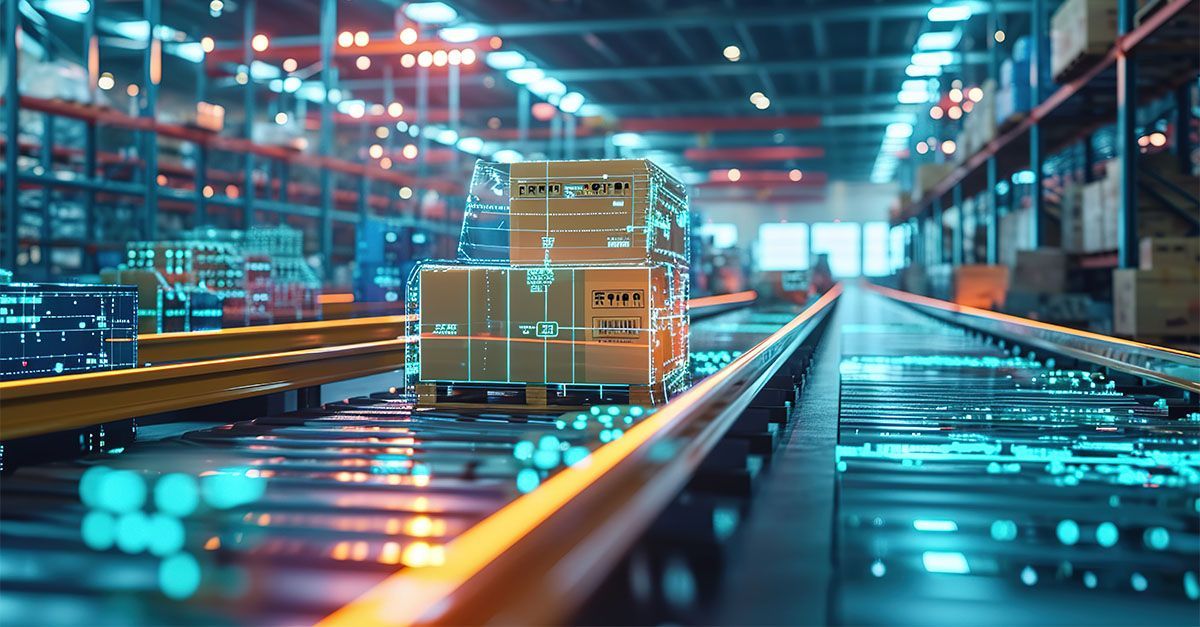
With EFS managing loads, the manufacturer could now track every order. Through freight visibility tools, they could view real-time status, receive delay alerts, and pull historical shipping reports. This visibility was especially helpful for their customer service team, enabling them to respond more quickly and plan more accurately. Operations managers also leveraged the data to review actual freight spend by lane.
Why EFS Was the Right Fit
EFS provided the right mix of service, tools, and freight coverage to meet the manufacturer’s needs. Here is what that looked like:
1. Comprehensive Freight Access Across Modes
The manufacturer tapped into FTL and LTL freight solutions without managing multiple vendors. EFS also offered refrigerated freight (reefer) and cross-dock access as needed, without additional contracts or learning curves.
2. Dedicated Daily Support
EFS assigned a team to handle daily freight operations, which ensured someone was always available to answer the phone. This way, problems weren’t just bouncing between departments without a solution. They got solved immediately.
3. Proactive Tracking and Updates
EFS’s tech stack provides the company with live shipment status updates, automatic ETAs, and real-time alerts, all of which helped prevent disruption. Before the customers asked, the support team already had the answers.
Sometimes Freight Discipline Starts With Letting Go
Letting go of freight may feel risky. But when logistics costs rise and operations stall, holding on too tightly becomes the bigger risk. However, the solution is not just any 3PL partner; you must partner with one that has been tried and trusted. For this midsize manufacturer, outsourcing transportation was the beginning of better control, not the end. With EFS managing the freight, their team could focus on production and growth. Want similar results? Give us a call today.