How Drop-Trailer Programs Help Retailers Meet Demand
Blog Post CTA
Supply chains don’t just break because goods aren’t available. They break because trucks, docks, and staff can’t move fast enough to keep up with demand. Drop-trailer programs can fix that bottleneck by separating trailer loading from driver schedules, thereby giving shippers more time and carriers more turns.
Drop Trailers Cut Through Retail Chaos
Every season comes with congestion issues, and it’s common to see docks clogged, drivers idle, yards crammed, and delivery windows gone. But Entourage Freight Solutions’ drop-trailer programs are designed to handle that volatility. Instead of waiting for a live-load appointment, trailers are dropped off early and picked up later, fully loaded. This way the shipper and carrier have more breathing room without slowing freight.
Where Peak Congestion Strikes Hardest
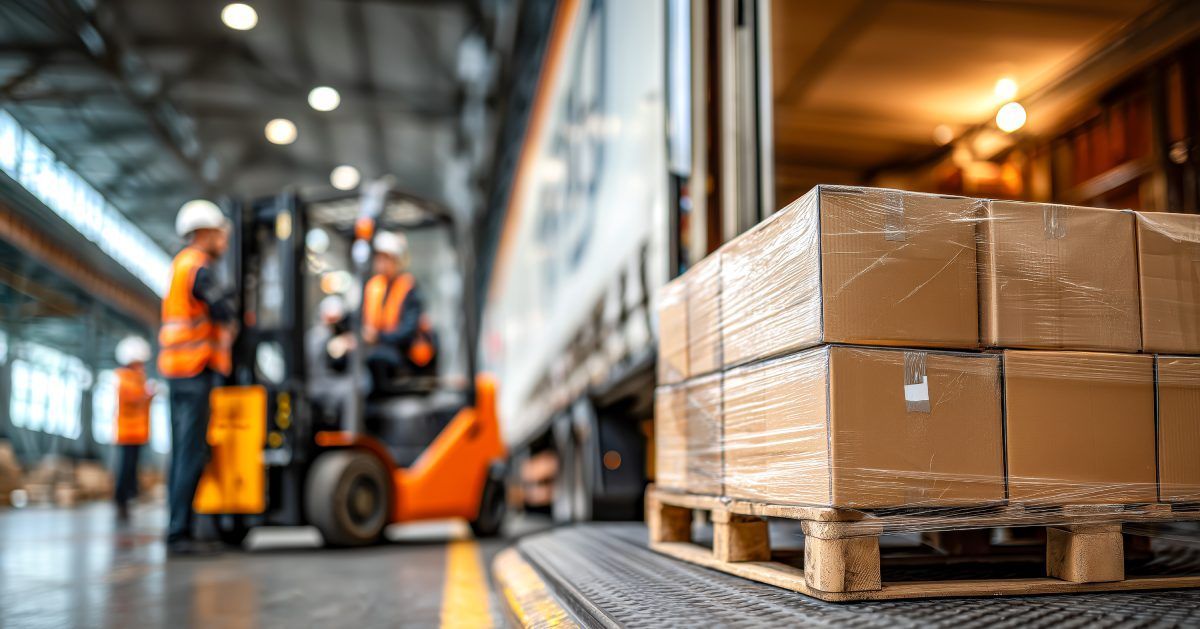
Although seasonal shipping stress hits hard on the road, it begins in the yard. Retailers and foodservice shippers struggle most in three areas:
1. Inbound Dock Overload. When trailers are stacked up and waiting for space, appointments run late, and crews can’t unload quickly enough.
2. Driver Detention Hours. Delays can cascade across a fleet, so a two-hour wait at one dock can result in the cancellation of the next two stops.
3. Yard Gridlock. With limited trailer parking, outbound staging becomes a guessing game, impacting important fresh, frozen, or mixed-temperature freight.
Drop-trailer programs ease all three pressure points by breaking the chain of real-time coordination.
How Drop-Trailer Programs Work
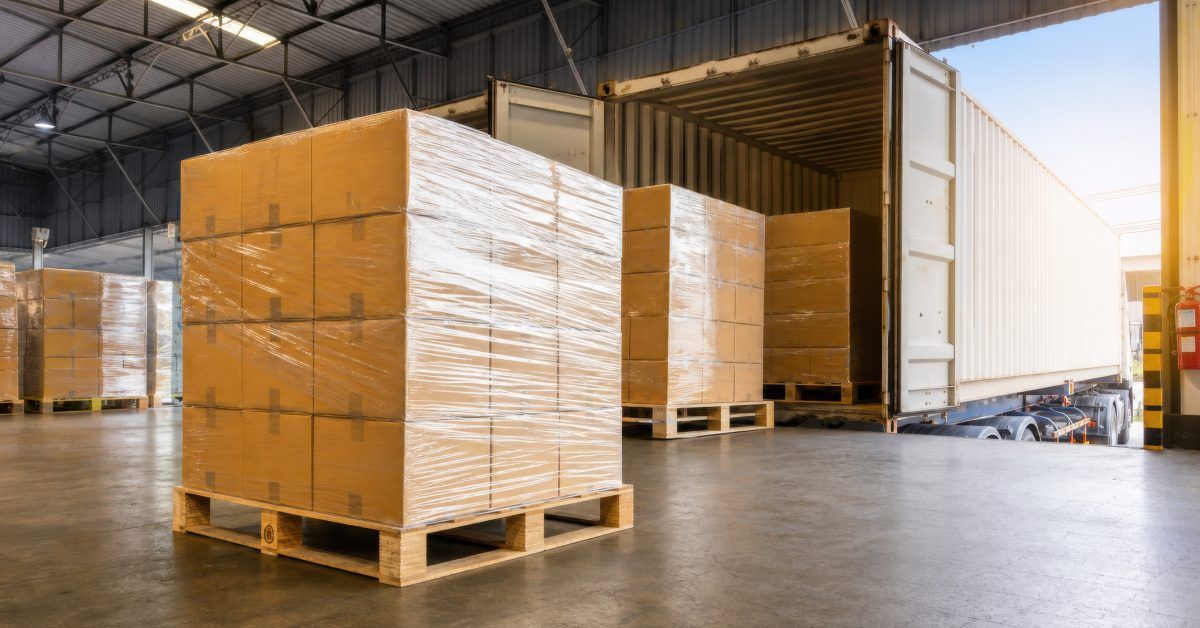
Drop-trailer programs allow retailers and manufacturers to preload trailers at their own pace while carriers pick them up at theirs. Unlike live loading, in which trucks wait in line and burn hours at the dock, drop trailers are parked, loaded, and picked up later. This approach decouples labor availability from driver schedules, which becomes a major advantage during seasonal peaks.
With drop-trailer programs, you ensure:
1. Preloaded Trailers During Off-Peak Warehouse Hours. Night crews or early shifts can prep loads without worrying about missed appointments.
2. Free Up Dock Doors Faster. Trailers aren’t tethered to a live truck, so docks don’t stay jammed with waiting equipment.
3. Keep Drivers Moving. Drivers hook and go. No detention, no delay. That adds capacity without adding tractors.
EFS’ Drop Trailers During Peaks: How They Save the Seasons
When retailers use EFS’ drop trailer solutions or services to manage seasonal surges, they stop treating trailers as trucks and start treating them as buffers. Here is how that works:
1. Pre-Stage Ahead of Promos. Retailers with known SKU surges, whether it is for
Valentine’s Day, back-to-school, or Black Friday shopping, can load trailers early and hold them for exact delivery windows.
2. Support Cross-Dock Volume: Fast-moving cross-docking sites benefit from drop trailers by turning yard operations into slot-based pickups, which makes fast throughput predictable.
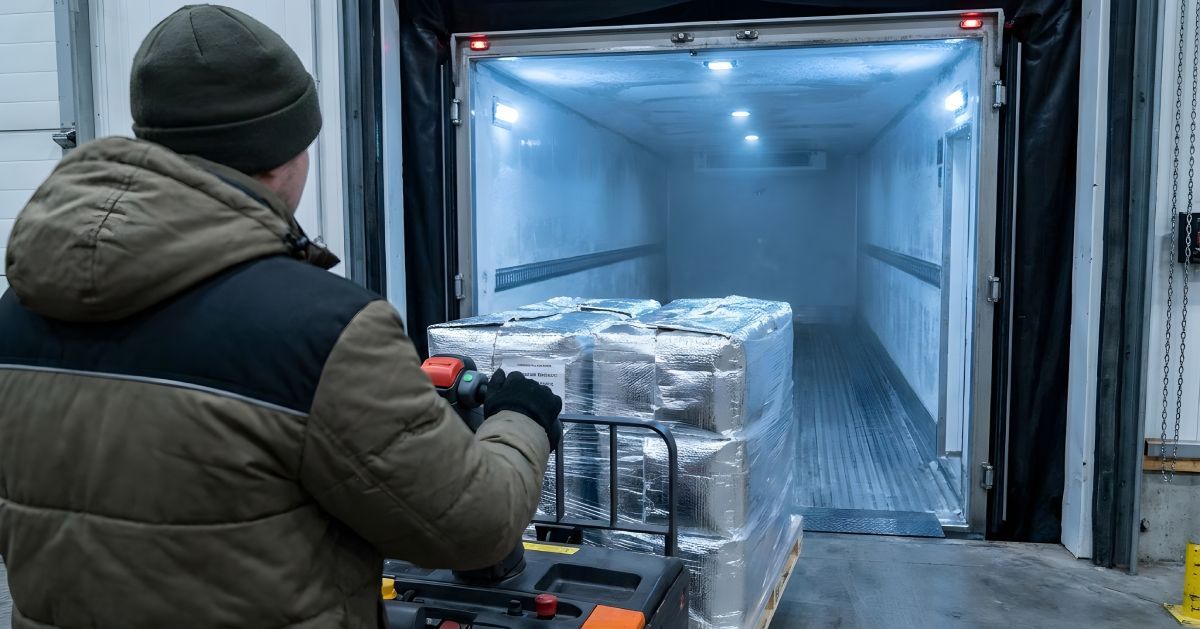
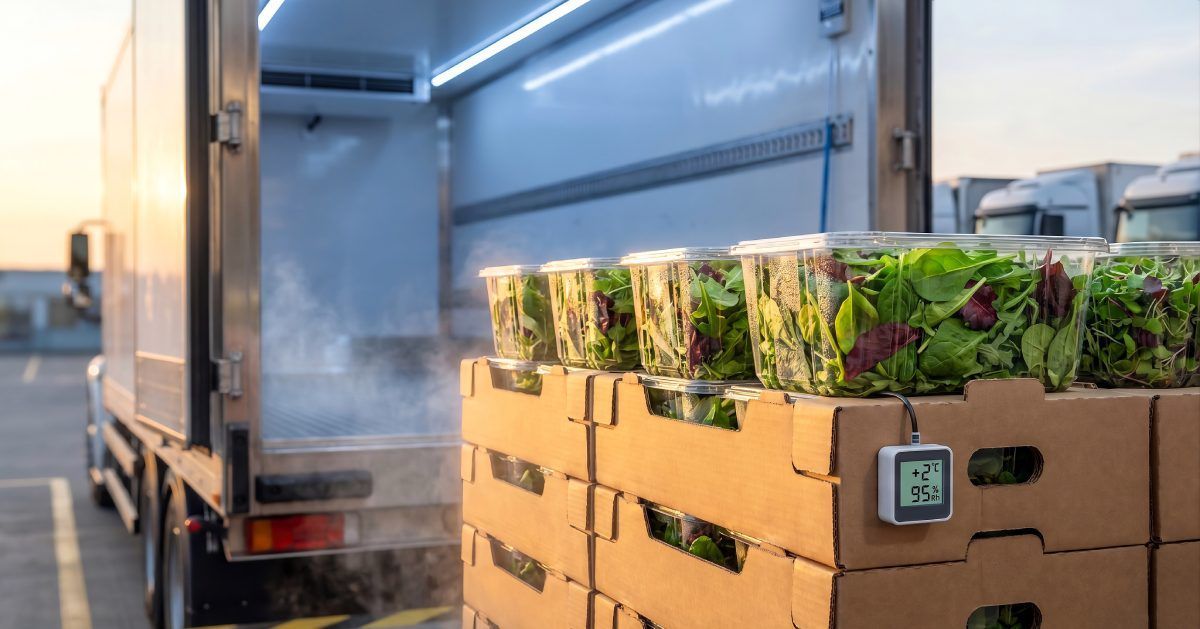
3. Manage Reefer Surges: Foodservice shippers under temperature pressure can use reefer drop trailers to preload without risking spoilage at the dock.
4. Cut Store Delivery Failures: Missed deliveries during peak weeks cost shelf space and sales.
Drop trailers keep freight ready, even if last-mile transport is tight.
Why EFS Drop Trailer Programs Match Peak Retail Needs
EFS supports drop-trailer programs that flex with seasonal demand, so retailers are not just stuck with equipment — they get coordination.
1. Trailer Pools Scaled to Actual Volume: EFS provides pre-positioned trailers sized to retail velocity and shipping patterns.
2. Cross-Dock-Ready Support: Locations using cross-docks can benefit from timed pickups and reefer staging as needed.
3. Retail-Minded Dispatching: EFS’ drop-trailer planning aligns with promotional calendars and DC labor shifts.
4. Dock Flow Built for Seasonality: Trailers aren’t just dropped, they’re managed. EFS works with warehouse teams to clear docks quickly and load on time.
This isn’t just about moving freight. It is about aligning the yard, warehouse, and transport teams so they move in sync.
When Drop Trailers Make Sense and When They Don’t
Drop-trailer programs shine when volume is predictable, space is tight, and labor is flexible. They fit:
- Facilities that preload in batches.
- Shippers with fixed delivery windows.
- Networks with regular store replenishment.
But they may not be ideal for:
- One-off or irregular freight.
- Facilities with no yard space.
- Lanes with extreme volatility.
Planning is the key here. The earlier a drop-trailer program is built into the calendar, the smoother the season will run.
EFS’ Drop Trailers Protect Service During Freight Surges
By enabling carriers to move faster and giving warehouse teams greater control,
Entourage Freight Solutions’ drop-trailer programs protect service, prevent dock backups, and turn freight chaos into flow. When the next surge hits, your trailers shouldn’t wait. They should be ready.
Contact EFS today to get started.