Navigating E-Commerce Demand Surges in Retail Logistics Operations
Blog Post CTA
E-commerce demand can surge suddenly, so it is not uncommon for a rapid influx of demand to have warehouse teams scrambling, trucks rolling, and the system straining. Traditional retail logistics cannot keep up, not when orders rise 300% overnight or a product goes viral on TikTok in under an hour.
More than ever, retailers need flexible systems, fast tracking, and freight partners that act proactively before problems arise. This article explains how shippers can keep moving when demand won’t sit still. You’ll learn how to predict volume shifts, automate fulfillment, and protect delivery promises without wasting capacity or cash.
E-Commerce Changed the Rules of Retail Logistics
Retail logistics used to run on forecast sheets and four-week lead times. E-commerce has flipped that model on its head, especially since the pandemic. Now, demand jumps without notice, often driven by sales campaigns or, in many cases, unplanned social buzz.
Shoppers want three things:
- Speed — shipping in under two days
- Accuracy — real-time shipment tracking and updates
- Flexibility — free returns and multiple delivery options
Forty-one percent of consumers
blame retailers for late deliveries, and 39% say they will never shop again with an online merchant following a negative delivery experience. That pressure is now part of every order. The fact is that e-commerce logistics doesn’t allow for delay. And if the system is not built to be flexible, it breaks.
Agility Beats Forecasts in Retail Fulfillment
Supply chain agility matters more than any seasonal plan. Retailers that respond faster win more orders.
For example, a beauty retailer can adjust its routing strategy mid-promotion by shifting volume to a nearby cross-dock site. The result? Shorter delivery windows and fewer late shipments ultimately save the retailer significant sums in fuel expenses and improve customer experience.
Agile logistics solutions pay off in both service and cost. But what does agility look like in action?
1. Spread inventory smartly
Placing the product closer to the customer speeds up last-mile delivery and reduces the cost per package.
2. Use live demand forecasting
AI tools adjust in real time by monitoring buyer activity, page traffic, and sales velocity.
3. Tap scalable freight
Logistics partners like EFS provide added capacity when your own trucks hit max load.
Warehouse Automation Turns Pressure into Precision
In 2024, 70% of top-performing retailers reported using automation in their fulfillment processes, which helped reduce order processing times by up to 30%. When order volume spikes, human-only systems quickly hit their limit.
This is why warehouses need machines to help carry the load. That difference decides who meets delivery expectations and who refunds shipping fees. Warehouse automation tools include:
- Automated picking for fast-moving SKUs
- Real-time slotting based on outbound order volume
- Scan-to-ship systems that eliminate packing mistakes
Smart Transportation Starts With Real-Time Visibility
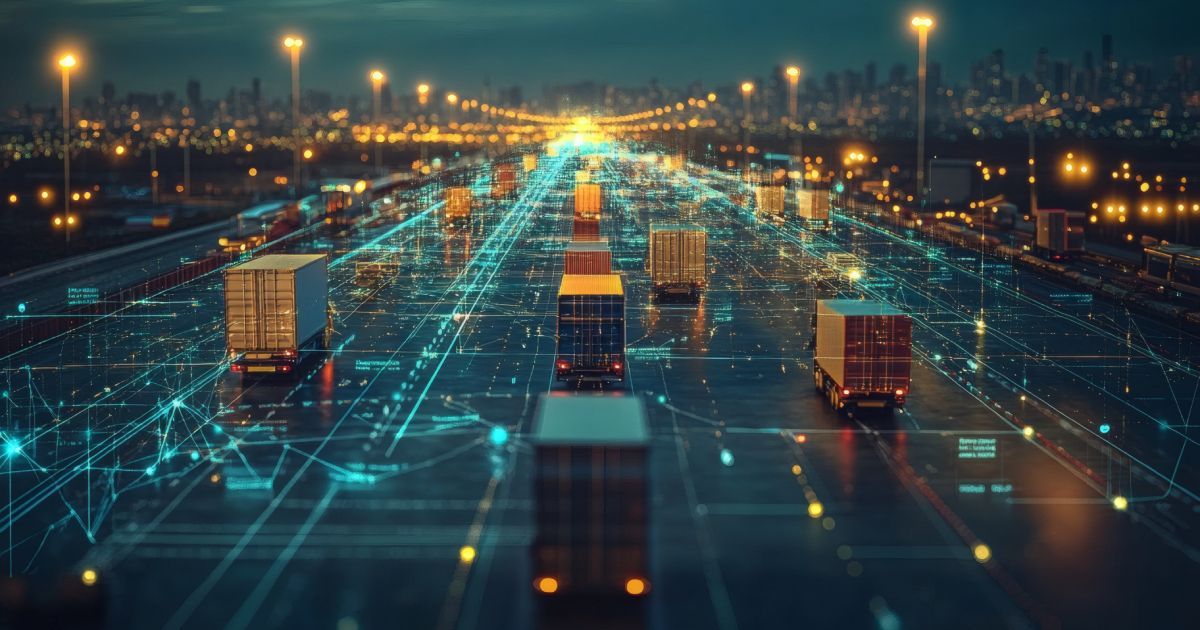
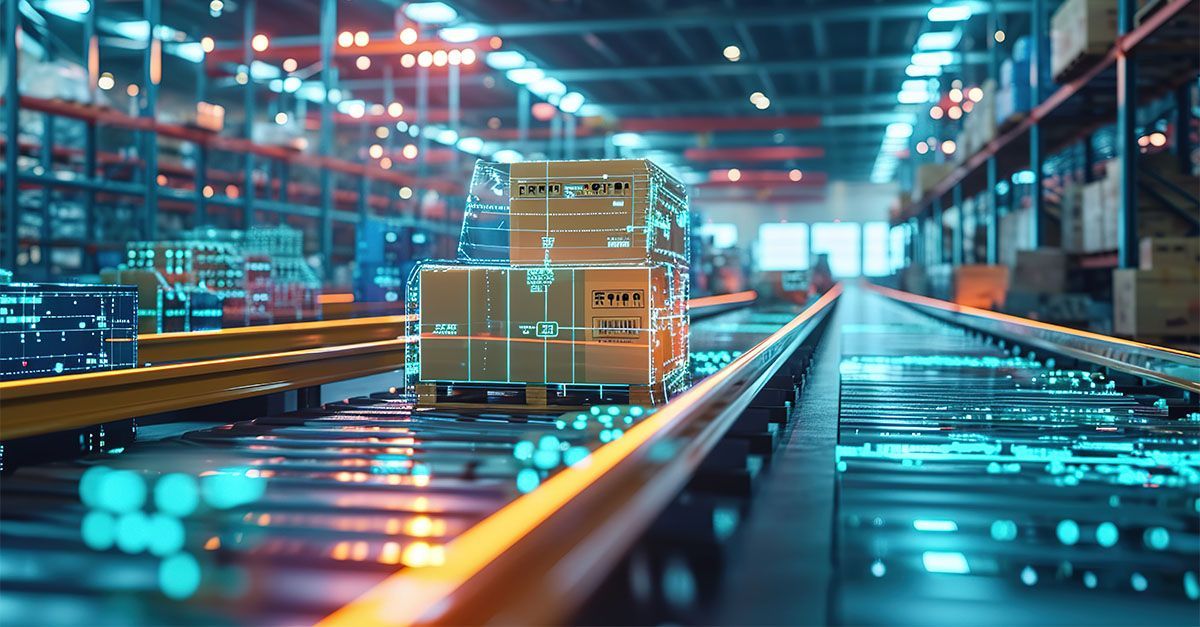
You can’t control what you can’t see. That’s why real-time shipment tracking now matters as much as transit speed. A modern transportation management system (TMS) helps retailers:
- Monitor every shipment’s location and ETA
- Auto-adjust routes based on traffic, weather, or driver status
- Track driver hours to prevent capacity gaps or compliance risks
EFS’ systems do this across all
retail shipment types. We track shelf-stable goods the same way we track time-sensitive deliveries. That level of attention protects every package and the promise behind it.
Fixing the Final Mile Without Losing Margin
In retail logistics, the last mile is where most delays happen. It’s also where most brand damage begins. To control cost and protect delivery speed:
- Use mixed delivery fleets to expand quickly when needed
- Stage orders at local depots to avoid long-haul delivery crunches
- Batch dense delivery zones to shorten drive time and reduce fuel use
Retailers that prepare for these patterns hit tighter delivery windows even during flash sales and holiday spikes. Customer delivery expectations are unforgiving but beatable with the right tools.
Build Precise Retail Logistics With EFS
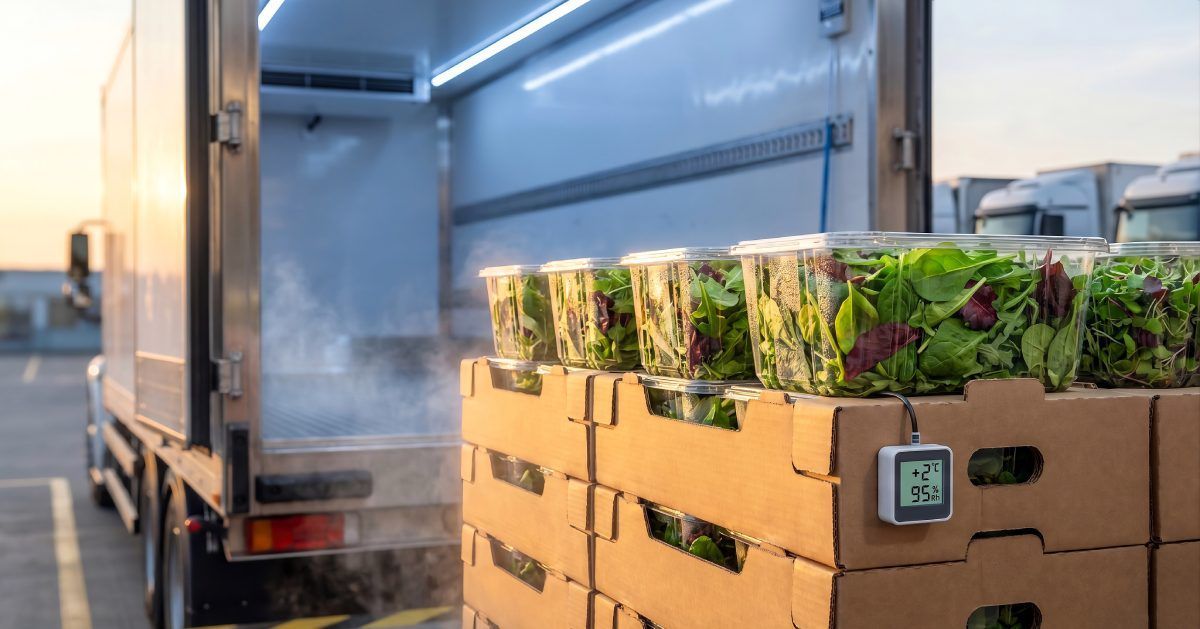
When e-commerce demand surges, response time shrinks accordingly. Retailers that wait to adjust lose orders, margins, and trust. Fast systems win, and smart systems last. This is why Entourage Freight Solutions runs on discipline. Our shipments arrive within the temperature range, on time, and error free.
That mindset aligns perfectly with retail logistics, especially when orders pile up quickly and late deliveries can lose customers. At EFS, we bring
foodservice-level precision to the retail industry. We track every move, plan ahead, and fix issues before they become problems. That’s how our clients hit tighter windows, protect product integrity, and scale without losing control.
Ready to experience a new level of service and control in your freight shipping? Request a quote today to see how Entourage Freight Solutions can help with your freight movement and other supply chain needs.