Cold Chain Logistics Best Practices: Temperature Control From Warehouse to Delivery
Blog Post CTA
Most temperature failures in cold chain logistics start at the handoffs, not on the highway. A pallet sits on a warm dock for 25 minutes, or a trailer door opens again and again at a crowded receiver. Many temperature-sensitive products are lost to temperature excursions every year, and your average loss depends on what you ship and how far it travels. The cold chain logistics best practices below follow a load through every handoff, from the cooler to the receiving dock, so shippers can protect product integrity and quality across the entire supply chain.
What Is Cold Chain Logistics?
Cold chain logistics is the storage and transportation of temperature-controlled goods within a set range from origin to final delivery. It covers cold storage, refrigerated transportation, and every transfer in between. The industries that depend on it most include fresh produce, frozen foods, dairy and meat, pharmaceuticals, and specialty chemicals. A single break in the chain can shorten shelf life, create food safety risks, or make a load unsellable.
For shippers, the pain points are rarely the equipment itself. Modern refrigeration units are reliable. The risk sits in the gaps between people: the warehouse team, the driver, the carrier’s dispatch, and the receiver. Each handoff is a chance for heat to get in, which is why a strong cold chain is built around process as much as hardware.
Load Product That’s Already Cold
A reefer or a refrigerated freight solution is designed to hold temperature, not to pull it down. Ask a reefer unit to cool warm product and you usually end up with a load that reads fine at the air vent but runs six degrees high in the middle of the pallet. Product temperature needs to reach its transit setpoint before it leaves the cooler.
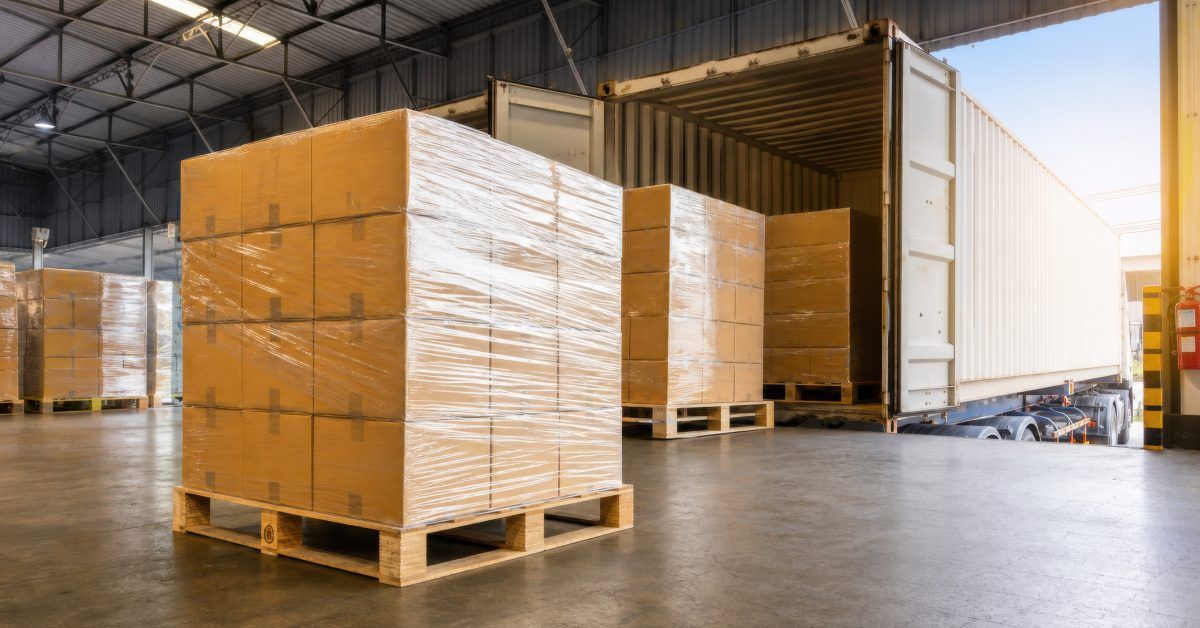
Refrigerated trailers should be precooled while sealed against a refrigerated dock. Plan for the time it takes: roughly 90 minutes for fresh loads and two to four hours for frozen. Precooling an empty trailer at an open, unrefrigerated door can do more harm than good, because warm, humid air rushes into the cold box and leaves condensation behind.
Put the Temperature Spec in Writing
The FDA Food Safety Modernization Act (FSMA) includes the sanitary transportation rule, which treats the operating temperature of a food load as a safety requirement. Shippers must give carriers their temperature and precooling requirements in writing. A phone call doesn’t count. Carriers must train their staff in sanitary transportation practices and keep training records and written procedures for 12 months, so regulatory compliance is a shared responsibility.
In practice, the rate confirmation for every reefer load should spell out the set temperature, the acceptable pulp range at pickup, the precool expectation, and the unit’s operating mode.
Continuous vs. Start-Stop Mode for Fresh Produce
Start-stop mode saves fuel, but it also lets temperature drift more between cycles. That’s usually fine for hard-frozen items and a real risk for fresh fruits and vegetables that react badly to temperature swings. Continuous mode keeps air moving and holds a tighter range. Leave the mode blank on the paperwork and the driver will choose one for you.
The Dock Is Where Most Reefer Loads Get Hurt
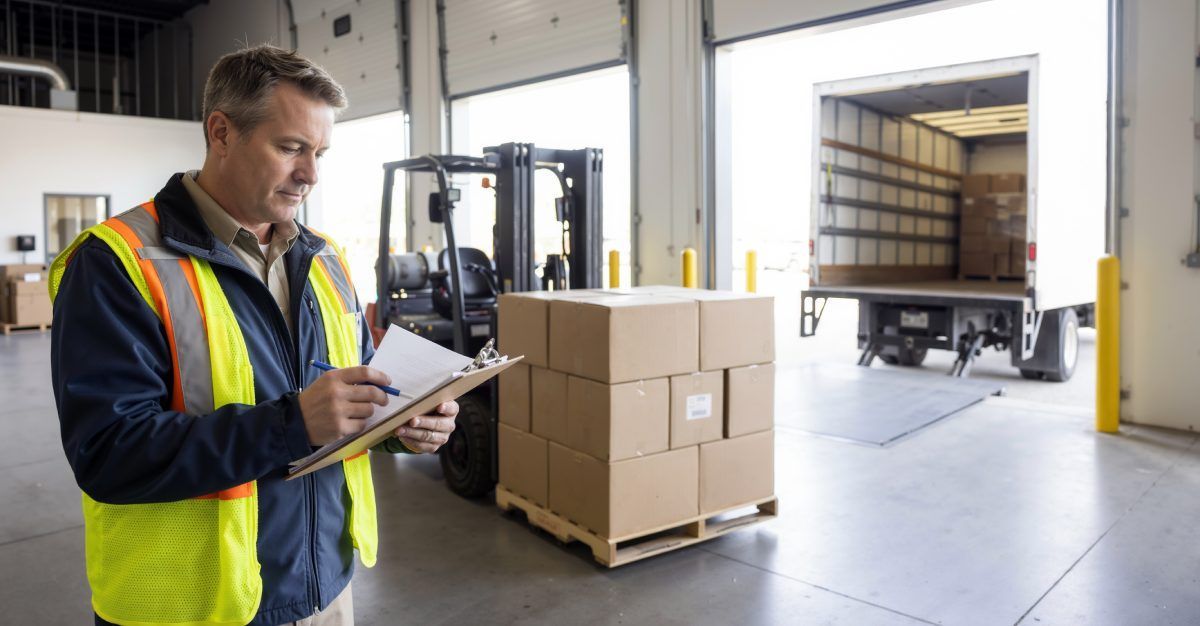
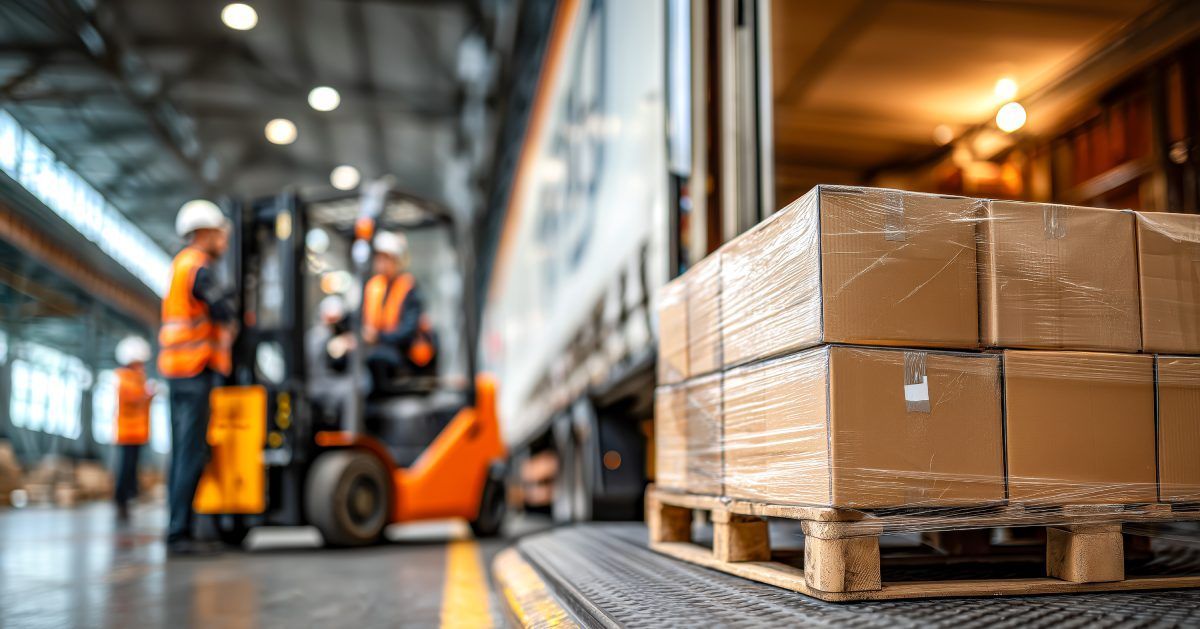
At distribution centers, pallets get staged early to save time, doors stay open while a forklift driver hunts for the next load, and nobody tracks how long anything sat. Dwell time is the enemy. Keep product in the cooler until the trailer is backed in and ready, and close the doors between pallets if the dock isn’t sealed. Busy days are when crews skip the basics, so proper training matters as much as specialized equipment.
In the warehouse, a first-expired, first-out (FEFO) rotation helps move perishable foods with the shortest remaining shelf life first, which reduces the time any product spends at risk. Cold storage should also be organized into dedicated temperature zones, because storing products in the wrong zone, even briefly, can cause spoilage. A HACCP (Hazard Analysis and Critical Control Points) plan helps pinpoint where temperature risk is highest, and those points are usually the handoffs.
How to Load a Reefer Trailer for Airflow
A reefer cools by moving air, not by chilling the walls. Leave air channels open from the nose of the trailer to the doors. A load jammed against the bulkhead or stacked to the ceiling blocks that flow and creates warm spots the refrigeration unit can’t reach.
Real-Time Monitoring Only Works If Someone Answers the Alert
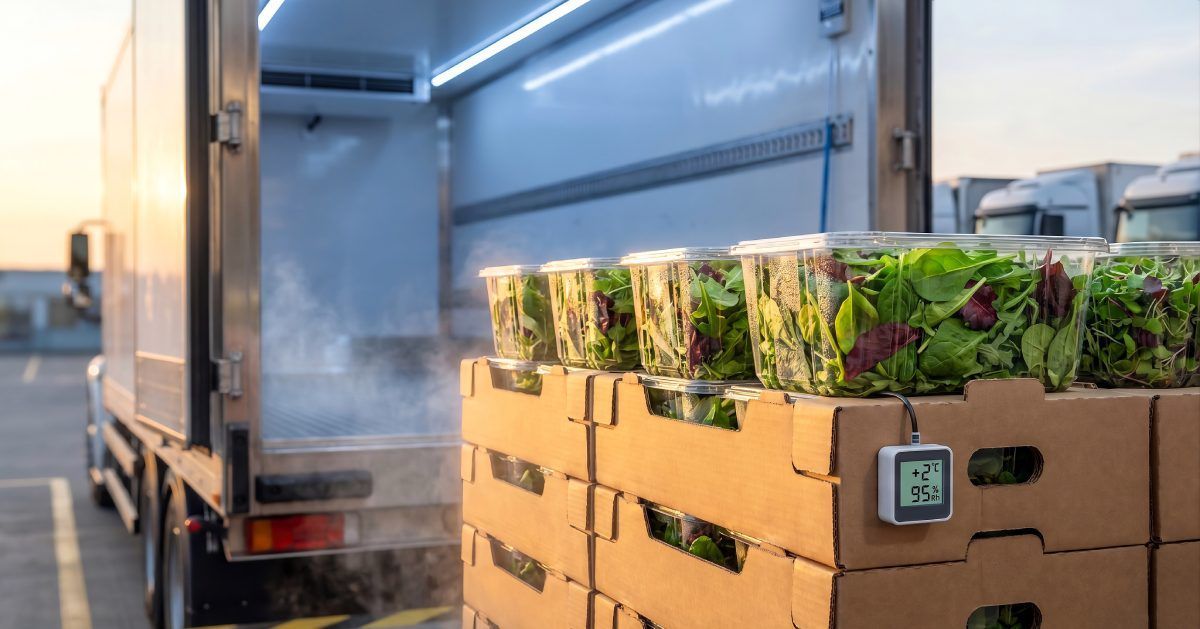
IoT temperature sensors are now standard on reefer freight, which is good. But plenty of shippers collect transit temperatures that nobody reads until a claim lands three weeks later. Real-time monitoring should give you visibility while there is still time to act.
Set product-specific alert thresholds, decide ahead of time who gets the call when a reading climbs, and agree on the response. That could mean having the driver check the reefer unit, rerouting to a nearby cold storage facility, or warning the receiver so they’re ready to inspect. Without that plan, continuous monitoring mostly produces a more detailed record of the loss.
Choose the Right Refrigerated Shipping Mode
Not all temperature-sensitive goods need the same equipment. Matching the mode to the load is one of the simplest ways to protect refrigerated freight and product safety while reducing costs. Temperature-controlled shipping is not cheap, so paying for only the capacity and control each load needs adds up quickly.
Full Truckload Reefer Trucking
Truckload shipping gives one shipper the whole trailer, one setpoint, and no extra stops. It’s the best fit for large volumes, long hauls, and tight delivery windows. Reefer freight typically costs more per mile than dry vans because of the equipment, fuel, and handling involved, so it pays to use refrigerated trucking only where the product needs it.
Reefer LTL
LTL shipping lets smaller shipments share reefer trucking capacity with compatible freight. It lowers cost for food manufacturers moving a few pallets, but more stops mean more door openings, so carrier discipline at each stop matters.
Insulated Containers and Dry Ice
For small parcels and some pharmaceuticals, validated insulated containers with gel packs or dry ice can hold temperature without a refrigerated truck. Packaging should be tested against the climate conditions it will face in transit. Pharmaceutical shippers also follow Good Distribution Practices (GDP), which set quality and safety standards for medicinal products from warehouse to patient.
Close the Loop When Refrigerated Freight Arrives
Have the receiver take pulp temperatures when the refrigerated freight arrives, and note any problems on the delivery paperwork before the unloading process begins. Pull and keep the reefer download for every load. Carriers must maintain temperature records under FSMA, and your own copy helps if a claim becomes contentious.
Track excursions over time. When the same lane or the same carrier keeps showing up, the fix is probably in sourcing the right carrier, not in the warehouse. Fewer excursions mean less spoilage, fewer claims, and better customer satisfaction.
How EFS Protects Temperature From Dock to Door
Entourage Freight Solutions builds its cold chain service around the handoffs where loads usually go wrong. EFS works with a carrier network of more than 3,500 prequalified reefer carriers, so your temperature sensitive freight goes to carriers vetted for equipment and food-handling practices. IoT-enabled temperature monitoring and cradle-to-grave tracking show you the condition of your temperature-controlled freight from pickup to delivery. Our operations team works 24/7, which matters most when a reading starts drifting on a Sunday. If you ship food or other perishables and want fewer surprises at the receiving dock, contact EFS today to build a refrigerated shipping plan that meets your needs.
Frequently Asked Questions (FAQs)
What are the most important cold chain logistics best practices?
Load product at its transit temperature, precool trailers at a sealed dock, put the setpoint and reefer mode in writing, minimize dock dwell time, keep airflow channels open, act on real-time monitoring alerts, and check pulp temperatures at delivery.
How long should you precool a reefer trailer?
Plan for roughly 90 minutes for fresh loads and two to four hours for frozen loads, with the trailer sealed against a refrigerated dock.
What temperature range can a reefer trailer maintain?
Most modern reefer units can hold setpoints from about -20°F for frozen goods up to the mid-30s°F and above for chilled products like fresh produce. The right setpoint depends on the product.
What is a temperature excursion?
A temperature excursion is any period when product goes outside its required temperature range. Excursions most often happen during loading, unloading, and other handoffs.