Trucking’s Recovery Runs on Shrinking Capacity, Not Stronger Demand
Blog Post CTA
The trucking market has finally turned a corner, but not for the reason most shippers would hope. Freight demand is still soft, consumers are feeling gloomy, and yet rates keep climbing because there are simply fewer trucks and fewer carriers to move the freight that does exist.
We’re looking at the dimming economic outlook and its impact on dry van rates heading into the holidays, a veteran economist’s blunt take on the current cycle, a growing wave of freight fraud built on compromised carrier communications, and a tentative labor deal that takes a strike off the table at the nation’s busiest port complex.
Economic Outlook Dims on Weak Consumer Expectations
The Conference Board’s Leading Economic Index slipped in October after holding flat in September, as gloomier consumer expectations and a downturn in building permits weighed on the outlook. The report still points to continued growth, just at a slower pace. Retail sales cooled noticeably in October, homebuilding is in a slump, and Gallup found public economic optimism at its lowest point since the survey began in 2007, with wage gains failing to keep up with persistent inflation.
For freight, the details matter. Consumer spending drives roughly two-thirds of U.S. economic growth, so weaker household confidence and a soft housing market are not good signs for the volumes shippers move. Meanwhile, AI-related investment has become the main engine of growth, which helps explain why headline GDP looks healthier than the consumer-facing economy feels. That split helps explain why trucking demand remains uneven even as pricing firms up.
Dry Van Rates Expectedly Climb Into Thanksgiving
DAT’s latest weekly dry van report shows spot rates near the top of their historical range heading into the holiday, with national spot linehaul averaging $2.27 per mile, up about 36% from a year ago. Dry van rates typically lift into Thanksgiving week as retail and holiday freight builds, and this year they are starting from a much higher base.
Looking ahead, DAT’s forecast projects rates to continue edging higher over the next five weeks. Christmas driver routing typically begins about three weeks before the holiday and has historically further tightened van capacity, so shippers with holiday freight still to move should expect little relief.
Shrinking Capacity Is Driving Recovery in Trucking Market
ATA chief economist Bob Costello stated the trucking market has turned, but the recovery is a capacity story, not a demand story. “We have never seen a cycle like this ever,” he said, pointing to stricter enforcement on English language proficiency, nondomiciled CDLs, substandard driver training schools, and ELD manipulation, which have shaved off capacity from the market.
The number of carriers with interstate operating authority has
fallen roughly 17% since late 2022, and new truck purchases, while up, mostly replace an aging fleet rather than add capacity. The result is a market in which shippers are paying considerably more to move slightly less freight. Spot rates are up sharply this year while truckload volumes remain well below their 2022 peak.
Costello called the situation “absolutely unsustainable” in the long run, but he also said “we’ve got runway here,” meaning elevated rates could persist for a while.
Compromised Communications Linked to 40% of Stolen Loads
Highway’s Q3 2026 Freight Fraud Index found that compromised communications were involved in roughly 40% of stolen load reports, with criminals exploiting established carrier identities rather than inventing new ones. Methods include hijacking a legitimate carrier’s email account to request shipment details and rate confirmations, buying carriers outright and operating under their clean history, and spoofing calls and emails to look like the real thing.
Carrier ownership change reports more than doubled from the previous quarter, a warning sign that the entity hauling your freight may not be the one you originally vetted. Highway notes its findings reflect activity within its own network rather than nationwide totals. For shippers, understanding where your own exposure begins and ends is just as important, which is why we’ve broken down
freight insurance and liability in plain terms.
Tentative Union Deal Averts Strike at Ports of LA, Long Beach
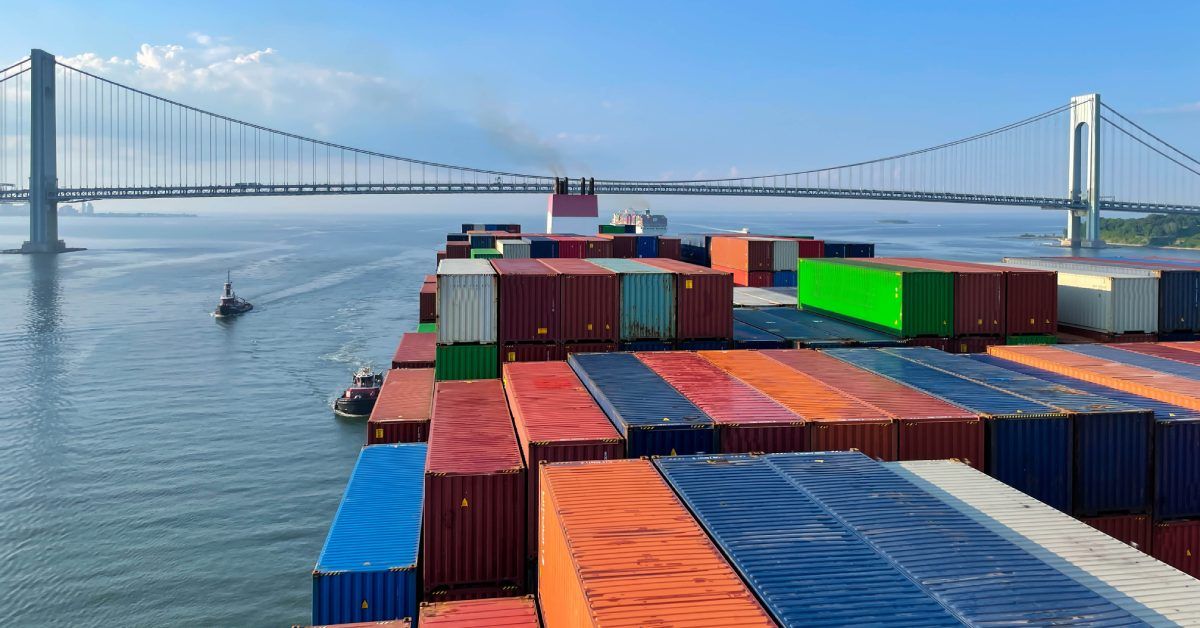
The Pacific Maritime Association and ILWU Local 26 reached a tentative agreement covering roughly 250 watchmen at the ports of Los Angeles and Long Beach, ending the immediate threat of a strike at the busiest trade gateway in the country. The deal follows more than a year of bargaining under federal mediation, a contract that expired in mid-2025, and a strike authorization vote in late October. It still needs ratification by union members, and the existing contract has been extended while that process plays out.
The watchmen control terminal gate access, conduct security patrols, and report safety issues across six container terminals, so a walkout could have caused real disruption if other ILWU members honored picket lines. While the union represents only a small share of port workers, the potential ripple effects on cargo flow and truck turn times were enough to put shippers on alert.
What Shrinking Capacity Means for Shippers
Taken together, these stories paint a consistent picture: demand is lukewarm, capacity is shrinking, and risk is rising on every front, from rate spikes to fraud to labor uncertainty. In a market like this, the shippers that fare best plan early, work with carriers they can verify, and maintain visibility into every load.
At
Entourage Freight Solutions, we help shippers manage exactly this kind of environment. Our
full truckload service gives you dependable capacity in a tight holiday market; our
drop trailer program keeps docks moving when turn times stretch; and our
freight management team monitors your program so you aren’t left chasing trucks at the last minute. With real-time GPS tracking and dynamic rerouting, we can adjust as soon as conditions change.
Request a quote to see how we can help you plan around a market that’s still running on shrinking capacity.